Canadian Rockies Travel Guide
The Canadian Rockies Travel Guide offers a detailed overview of one of the most impressive destinations in North America. The Canadian Rockies, with its spectacular natural landscapes of towering mountain peaks, vibrant turquoise lakes, and abundant wildlife, attracts adventure seekers and nature lovers. The region is home to five national parks (Banff, Jasper, Yoho, Kootenay, and Waterton Lakes), each offering unique opportunities for hiking, wildlife viewing, and glacier exploration.
Visitors can journey through the Rockies via several transportation options, including Rocky Mountaineer train packages by Canadian Rockies Trains, which offers luxurious trips through the heart of the mountains and provides panoramic views of alpine scenery. Driving the region’s highways (Trans-Canada Highway and Icefields Parkway) offers direct access to its beautiful destinations. The Canadian Rockies are unique due to their geological diversity, diverse ecosystems, and rich cultural heritage. The region’s natural beauty and accessible transportation options make it a destination like no other, offering experiences ranging from outdoor adventures to serene moments in some of the most captivating landscapes in the world.
What are the Canadian Rockies known for?
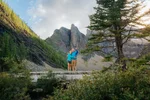
The Canadian Rockies are known for their dramatic landscapes and geological grandeur, forming one of North America’s most distinguished mountain systems. The range defines nearly half of the boundary between the two provinces, stretching across Alberta and British Columbia for about 1,000 miles (1,600 kilometres). Rugged peaks, turquoise lakes, vast glaciers, and deep valleys sculpted by ancient ice characterize its terrain. Mount Robson reaches the highest point at 12,972 feet (3,954 metres), and more than 50 other peaks rise above 11,000 feet (3,350 metres). The Canadian Rockies Facts note that the region encompasses five national parks (Banff, Jasper, Kootenay, Yoho, and Waterton Lakes), each notable for its alpine scenery and thriving wildlife. The Canadian Rockies serve as the headwaters of major rivers (the Columbia, Fraser, and Saskatchewan). They are a global symbol of natural beauty, ecological diversity, and cultural heritage, recognized through their UNESCO World Heritage status, traversed by historic passes (Yellowhead and Kicking Horse).
Best-selling Canadian Rockies Train Trips
Where are the Canadian Rockies located?
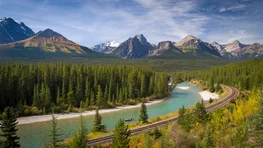
The Canadian Rockies are located in western Canada, spanning the provinces of Alberta and British Columbia. The range forms nearly half of the 1,500-kilometre border between the two provinces, stretching approximately 1,600 kilometres southeast from northern British Columbia. Alberta hosts many of the Rockies’ most famous destinations (Banff and Jasper National Parks), while British Columbia contains portions of Yoho, Kootenay, Mount Robson, and Mount Assiniboine Provincial Parks. Jagged peaks, broad U-shaped valleys, and numerous glaciers, rivers, and turquoise alpine lakes characterize the mountains. Major towns (Calgary, Edmonton in Alberta, and Vancouver in British Columbia) serve as gateways for visitors, with Calgary International Airport providing convenient access to Banff and the surrounding national parks. The Canadian Rockies’ location across the two provinces offers a striking combination of rugged wilderness, diverse ecosystems, and accessible routes for sightseeing, hiking, and outdoor adventure.
What National Parks are Found in the Canadian Rockies?
The National Parks found in the Canadian Rockies are listed below.
- Banff National Park: Banff National Park was established in 1885 and is Canada’s first national park and the heart of the Canadian Rockies. It features turquoise lakes (Lake Louise and Moraine Lake), snowcapped peaks, and abundant wildlife. Banff showcases unique geological formations, glacial valleys, and pristine alpine ecosystems that illustrate the natural beauty and diversity of the Rockies, recognized as part of the Canadian Rocky Mountain Parks UNESCO World Heritage site.
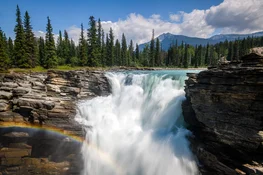
- Jasper National Park: Jasper National Park, the largest in the Canadian Rockies, offers vast wilderness landscapes and exceptional mountain scenery. Highlights include the Columbia Icefield, Athabasca Falls, and Maligne Lake. It contributes to the UNESCO designation for its unspoiled alpine habitats, significant geological features, and thriving populations of wildlife (elk, moose, and bighorn sheep).
- Yoho National Park: Yoho National Park, on the western slopes of the Rockies in British Columbia, is renowned for its cliffs, waterfalls, and fossil beds. The park’s highlights (Emerald Lake, Takakkaw Falls, and the Burgess Shale fossil deposits) provide rare insight into early marine life. Its combination of geological significance and stunning mountain scenery supports its inclusion in the UNESCO World Heritage listing.
- Kootenay National Park: Kootenay National Park, in southeastern British Columbia, features contrasting landscapes of glacier-fed rivers, deep canyons, and hot springs. Notable sites include Marble Canyon, Radium Hot Springs, and the Paint Pots mineral springs. Its ecological variety and geological history make it a vital part of the Canadian Rocky Mountain Parks UNESCO designation, emphasizing the interconnected natural systems across the region.
How do you travel to the Canadian Rockies?
You can travel to the Canadian Rockies using one of several ways, including:
- Access via Calgary.
By Plane: Fly into Calgary International Airport (YYC), located 128 km (80 miles) east of Banff. It is the main gateway for flights from North America and Europe.
By Car: Drive along the Trans-Canada Highway (Highway 1) to reach Banff, Lake Louise, and other regions in the Canadian Rockies.
By Train: Take the Rocky Mountaineer from Vancouver and connect via the nearby towns of Banff or Lake Louise, although there is no direct train service from Calgary to the Rockies. - Access via Edmonton.
By Plane: Fly into Edmonton International Airport (YEG), located 360 km (224 miles) from Jasper National Park, providing easy access to the park and surrounding areas in the Rockies.
By Car: Drive along Highway 16 from Edmonton to Jasper, passing through scenic routes within Jasper National Park.
By Train: Use VIA Rail services, which provide a transcontinental route through Jasper National Park. The Rocky Mountaineer connects Edmonton to Jasper through scenic routes. - Access via Vancouver.
By Plane: Fly into Vancouver International Airport (YVR), which is a popular entry point for international travellers. Vancouver is 830 km (515 miles) from Banff and 781 km (486 miles) from Jasper.
By Car: Drive along the Trans-Canada Highway to Banff or Jasper, soaking in spectacular views along the way.
By Train: Rocky Mountaineer offers a luxurious train route between Vancouver, Banff, and Jasper, providing a scenic, daylight-only journey through the heart of the Canadian Rockies. - Take the Rocky Mountaineer Train.
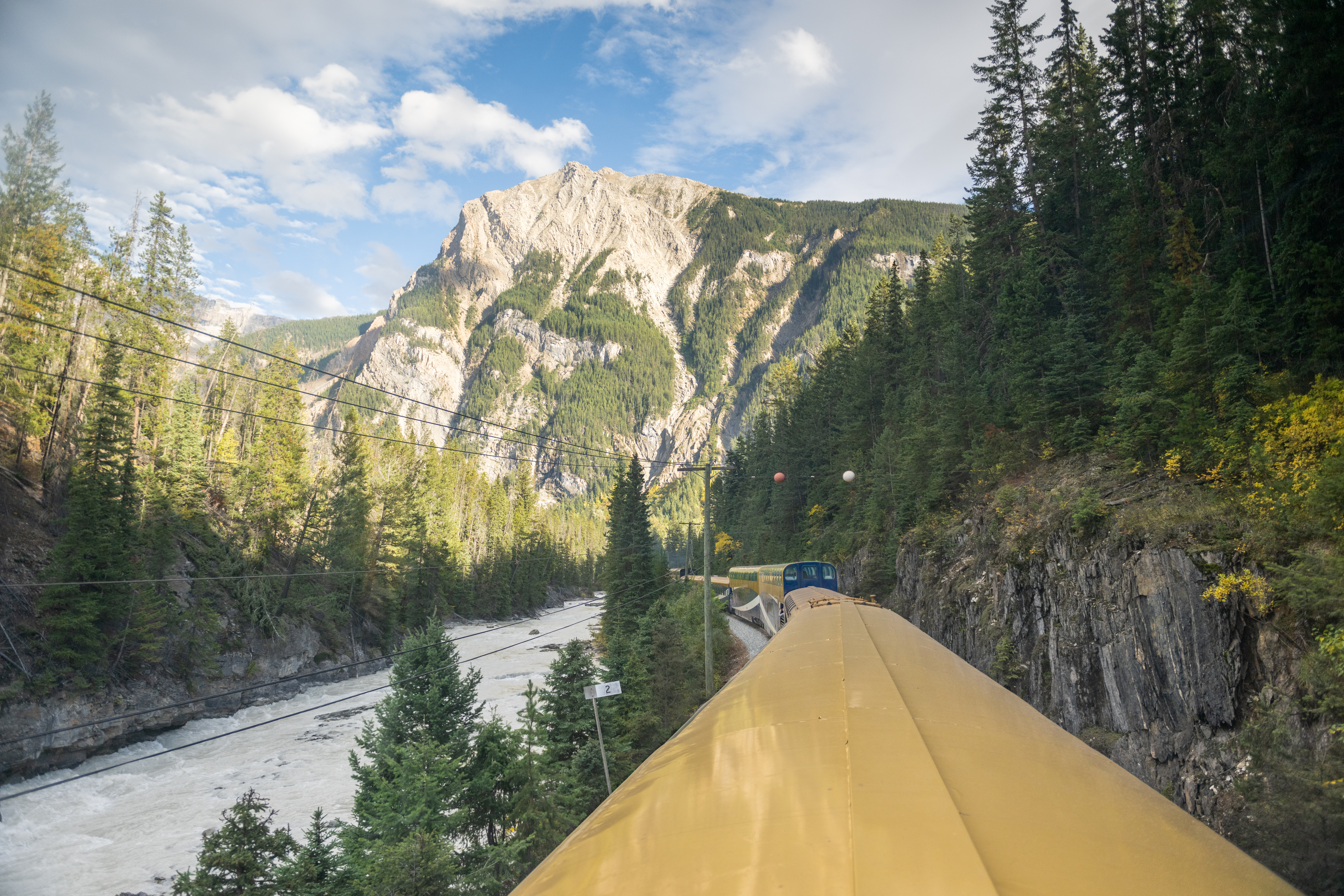
By Train: Travel aboard the Rocky Mountaineer and experience a luxurious journey on such a train service, operating between Vancouver, Banff, and Jasper. Enjoy scenic day trips through the mountain ranges, with daylight-only trips to capture breathtaking views. Passengers indulge in comfortable seats, gourmet meals, and panoramic windows as they travel through the Rocky Mountaineer Train Routes. - Explore Major Highways.
By Car (Trans-Canada Highway): Drive along the world’s longest national highway, Highway 1, passing through key towns (Canmore, Banff, and Golden).
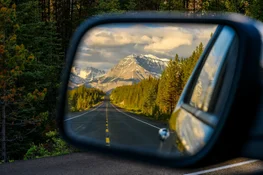
By Car (Icefields Parkway): Journey along the Icefields Parkway, a scenic drive between Lake Louise and Jasper, where you'll see glaciers, waterfalls, and abundant wildlife.
By Car (Yellowhead Highway): Travel via the Yellowhead Highway, which passes through Jasper National Park, connecting Edmonton and Vancouver.
What are the Rocky Mountaineer train routes to the Canadian Rockies?
The Rocky Mountaineer train routes to the Canadian Rockies are “First Passage to the West,” connecting Vancouver to Banff or Lake Louise, “Journey through the Clouds,” linking Vancouver to Jasper.
The Rocky Mountaineer train routes to the Canadian Rockies are “First Passage to the West,” connecting Vancouver to Banff or Lake Louise; “Journey through the Clouds,” linking Vancouver to Jasper; “Rainforest to Gold Rush,” traveling between Vancouver and Jasper via Whistler and Quesnel; and “Passage to the Peaks,” connecting Banff and Jasper via Kamloops.
All these routes operate exclusively during daylight hours from mid-April to mid-October, ensuring uninterrupted views of the Pacific coastline, interior valleys, and the towering peaks of the Rocky Mountains.
The First Passage to the West route travels 977 kilometres (607 miles) between Vancouver and Banff or Lake Louise, passing Hell’s Gate in the Fraser Canyon, Thompson River, and Spiral Tunnels near Field, British Columbia. It is a remarkable engineering achievement from the early 1900s.
The Journey through the Clouds route covers 1,200 kilometres between Vancouver and Jasper, offering views of Mount Robson, the highest peak in the Canadian Rockies, along with the spectacular Pyramid Falls and the turquoise North Thompson River valley. Each train journey features continuous storytelling from onboard hosts who share insights into the region’s Indigenous heritage, gold rush history, and mountain wildlife.
The Rainforest to Gold Rush route is a three-day journey that showcases the incredible diversity of western Canada’s landscapes, from the lush coastal rainforest near Vancouver to the desert-like canyons of the Fraser River and the alpine majesty surrounding Jasper. It includes overnight stays in Whistler and Quesnel.
The Passage to the Peaks is a two-day daylight journey between Banff and Jasper via Kamloops, traveling through the heart of the Canadian Rockies and highlighting some of the region’s most breathtaking mountain passes, rivers, and alpine scenery.
Rocky Mountaineer provides two distinct service levels for all routes. SilverLeaf Service offers single-level dome coaches with oversized windows, gourmet meals served at the seat, complimentary drinks, an overnight hotel stay in Kamloops with breakfast, and access to outdoor viewing areas. GoldLeaf Service includes bi-level dome coaches with glass ceilings, a lower-level dining room with chef-prepared multi-course meals and wine, unlimited beverages, a luxury hotel stay in Kamloops, and spacious reclining seats with extra legroom. GoldLeaf and SilverLeaf service levels include luggage handling, hotel transfers, and guaranteed window seating, providing a luxurious and scenic rail journey through the heart of the Canadian Rockies.
How much do Rocky Mountaineer tickets cost for a Canadian Rockies Trip?
Rocky Mountaineer Tickets for a Canadian Rockies Trip cost between $2,300 CAD and $4,000 CAD per person for the most popular two-day journeys, depending on the service class and route. SilverLeaf Service is the standard option, starting at $2,300 CAD per person for the First Passage to the West route from Vancouver to Banff or Lake Louise. GoldLeaf Service is the premium class, beginning at $3,200 CAD per person for the same route. The Journey through the Clouds route from Vancouver to Jasper has similar pricing, with SilverLeaf starting at $2,300 CAD per person and GoldLeaf beginning at $3,200 CAD per person. Ticket prices include gourmet meals on travel days, one-night hotel accommodation in Kamloops, complimentary beverages, luggage handling, hotel transfers, and live commentary from onboard hosts. Accommodation before or after the rail journey in Vancouver, Banff, Lake Louise, or Jasper is not included in the standard fare. Prices do not include taxes.
Season of travel, direction of the route, add-on packages, trip length, single supplements, and promotional discounts influence the total cost of Rocky Mountaineer tickets. Travelling during the peak season from mid-June to early September increases prices by about $500 to $800 CAD per person compared to shoulder season departures in spring or autumn.
Add-on packages (hotel stays) before or after the trip raise total costs, with pre-night stays in Vancouver ranging from $600 to $2000 CAD per room and post-trip stays at Fairmont properties like Chateau Lake Louise costing $600 to $1500 CAD per night. Longer routes (three-day Rainforest to Gold Rush journey) cost more than the two-day routes and start at $4,500 CAD for GoldLeaf service . Single travellers pay 20% to 60% more due to single supplements, while early booking promotions reduce prices can reduce prices.
How do you Get Around the Canadian Rockies?
Get around the Canadian Rockies by following the five steps listed below.
- Rent and drive a car by booking through major rental companies (Enterprise, Budget, Hertz, or National) at Calgary Airport, Banff, or other nearby cities. Booking early during the peak summer season is essential, with standard vehicle rentals costing between $80 CAD to $200 CAD per day. Drive the Trans-Canada Highway (Highway 1) to reach Banff, Lake Louise, and Yoho National Park, or follow the scenic Icefields Parkway (Highway 93 North) between Lake Louise and Jasper, allowing three to four hours to enjoy stops at viewpoints and attractions.
- Use public and shuttle transport for convenient and eco-friendly travel within and between park destinations. Ride Roam Transit buses in Banff for free local service, or take the Route 8X Express between Banff and Canmore with a $10CAD day pass. Reserve Parks Canada shuttles online for access to Moraine Lake during summer, with tickets priced at $8CAD per adult round trip. Brewster Express coaches provide longer-distance transfers connecting Calgary Airport, Canmore, Banff, and Lake Louise, with fares ranging from $75 CAD to $95CAD per person one-way. Sundog Tours operates guided transportation services between Jasper and major attractions (Maligne Lake and the Columbia Icefield), offering comfortable travel with live commentary along the route.
- Join guided tours for full-day excursions that include transportation, expert commentary, and attraction entry, costing $130 CAD to $500 CAD per person.
- Cycle or walk locally to explore towns and scenic routes at a relaxed pace. Rent bicycles from shops in Banff, Jasper, Lake Louise, or Canmore — for $45 CAD to $125 CAD per day and ride the Legacy Trail, a 26-kilometre paved path linking Banff and Canmore with mountain views and gentle terrain. Walking is convenient within the Banff townsite since most hotels, restaurants, and shops are along Banff Avenue.
- Check Parks Canada websites regularly for the latest road conditions, wildlife advisories, and construction updates that affect travel plans across the Canadian Rockies.
Are there airport transfers to the Canadian Rockies?
Yes, there are airport transfers to the Canadian Rockies available from major cities in Alberta, primarily from Calgary International Airport (YYC) and Edmonton International Airport (YEG). Calgary serves as the main gateway to Banff, Lake Louise, and Kananaskis, offering year-round shuttle services, private transfers, and rental car options that connect directly to the Trans-Canada Highway. Edmonton provides access to Jasper National Park through organized coach services and scenic road routes along Highway 16. Tour operators and hotels across Banff and Jasper offer scheduled transfers for visitors, ensuring convenient access between airports and park destinations. The transport connections make reaching the Rockies straightforward for domestic and international travellers.
How accessible are the Canadian Rockies for travellers?
The Canadian Rockies are highly accessible for travellers, including families, seniors, and passengers with mobility challenges. Banff, Lake Louise, and Jasper National Park are well-equipped with accessible accommodations, transportation, and attractions. For example, Banff offers public buses and taxis that are wheelchair accessible, and many of the popular sights (Banff Gondola and Lake Louise) are designed with accessibility in mind. The Rocky Mountaineer train, known for its luxury rail journeys through the Rockies, provides onboard services tailored explicitly for passengers with mobility needs (wheelchair lifts and spacious seating). Outdoor activities (hiking) are made more accessible through services that assist passengers with limited mobility, and some hiking trails are designed with easier terrain or offer alternative paths for wheelchair users. The Canadian Rockies are becoming an inclusive destination for all, ensuring everyone experiences the incredible natural beauty of the region, while some areas require advanced planning.
When is the best time to visit the Canadian Rockies?
The best time to visit the Canadian Rockies depends on the type of experience desired, as each season offers distinct scenery and activities. Summer (June to September) is the most popular period for a Canadian Rockies vacation, with warm weather ranging from 15°C to 25°C and long daylight hours extending until 10:00 PM. Roads and hiking trails are open, making summer the best time for outdoor activities (hiking, canoeing, and wildlife viewing). Weather in Banff and Jasper during summer features clear skies, vibrant turquoise lakes, and blooming wildflowers in alpine meadows. However, the summer months bring higher accommodation rates, busy attractions at Lake Louise and Moraine Lake, and a need for reservations for shuttle buses, campgrounds, and guided tours.
Autumn (September to October) provides cooler temperatures from 5°C to 15°C, fewer tourists, and golden larch forests that attract photographers from around the world. Winter (December to March) marks the ski season, with resorts (Sunshine Village, Lake Louise Ski Resort, and Marmot Basin) offering excellent snow conditions and scenic alpine runs. Temperatures drop to between -5°C and -15°C, creating ideal conditions for skiing, snowboarding, and ice skating on frozen Lake Louise. The best time to visit Canadian Rockies for winter sports is between mid-December and March, when snow is most reliable. Spring (April to May) is the quiet shoulder season, with the weather in Banff and Jasper varying from snowy mornings to mild afternoons. Accommodation prices drop, some hiking trails begin to reopen, and travellers seeking a peaceful Canadian Rockies Holiday enjoy fewer crowds and fresh mountain scenery.
What are the best months to visit the Canadian Rockies?
The best months to visit the Canadian Rockies depend on the type of activities and experiences sought. May through October is ideal for hiking and outdoor exploration, and December through March caters to winter sports enthusiasts. The snow begins to melt from May onwards, lakes and rivers thaw, and trails become more accessible, offering picturesque scenery with vibrant wildflowers, flowing waterways, and active wildlife. Summer months (June to August) provide long sunny days perfect for hiking, canoeing, whitewater rafting, and scenic drives, although these months are the busiest and come with higher accommodation costs.
September and October are considered “shoulder season,” providing optimal hiking conditions with dry trails, fewer crowds, and the striking autumn foliage of larch and aspen trees. December to March brings the Canadian Rockies into a true snow-covered wonderland, with pristine conditions for skiing, snowboarding, snowshoeing, ice walking, and skating on frozen lakes (Lake Louise) for travellers seeking winter adventures. Winter months offer minimal crowds and a festive atmosphere, with holiday events, winter festivals, and the opportunity to see frozen waterfalls and ice-filled canyons. Travellers get to tailor their Canadian Rockies holiday to align with seasonal highlights, whether prioritizing active summer excursions or thrilling winter sports experiences.
Which season is best for visiting the Canadian Rockies?
The best season for visiting the Canadian Rockies depends on the type of experience sought, as each season offers distinctly different activities and landscapes. Summer (June to August) is ideal for travellers seeking scenic drives, hiking, camping, and outdoor exploration. The days are long and sunny during such a period. Alpine meadows bloom with vibrant wildflowers, and lakes (Lake Louise and Moraine Lake) display their signature turquoise hues. Wildlife is more visible, with elk, bears, and other grazing animals commonly seen in the parks. Kayaking on pristine lakes, white-water rafting, and multi-day hiking trips are the popular summer activities, though the peak season brings larger crowds and higher accommodation costs.
Winter (December to February) offers a serene and snow-covered landscape perfect for snowsport fans and visitors looking to experience the Rockies’ quieter side. Skiing and snowboarding at world-class resorts (Sunshine Village in Banff or Marmot Basin in Jasper) are prime attractions, alongside guided snowshoe hikes, ice walks through frozen canyons, and skating on frozen lakes. Winter visitors benefit from minimal crowds and a magical, icy landscape, but must be prepared for extreme cold, potential avalanches, and road closures. A Canadian Rockies Holiday in summer emphasizes active exploration, scenic drives, and wildlife viewing. Winter provides a more tranquil experience focused on snow-based activities and intimate encounters with the pristine mountain environment, allowing travellers to tailor their visit based on adventure preferences and seasonal highlights.
Why are holidays in the Canadian Rockies so popular among travellers?
Holidays in the Canadian Rockies are popular among travellers because the region offers a rare combination of impressive natural beauty, diverse outdoor activities, and easily accessible mountain towns. Making a Canadian Rockies Holiday an unforgettable experience. Visitors are drawn to the towering peaks, crystal-clear lakes, and glacier-fed rivers that create a landscape so breathtaking that it defies description, with iconic spots (Lake Louise, Moraine Lake, Peyto Lake, and Lake O’Hara) serving as prime examples of the area’s dramatic scenery. The Rockies offer opportunities for engaging outdoor experiences, including multi-day hikes along trails (the Berg Lake Trail at Mt. Robson), kayaking or canoeing on pristine lakes, skiing at world-class resorts (Sunshine Village in Banff and Marmot Basin in Jasper), and wildlife viewing (elk, moose, and bears in their natural habitats).
The small alpine towns of Banff, Jasper, and Canmore offer charming accommodations, local culture, and culinary experiences, allowing travellers to combine adventure with comfort. Seasonal variations accentuate the appeal. Summer brings vibrant wildflowers and turquoise waters ideal for hiking and paddling. Winter transforms the mountains into snow-covered playgrounds perfect for skiing, snowshoeing, and enjoying the quiet serenity of the snowy wilderness. Natural majesty, recreational variety, and accessibility ensure that a Canadian Rockies Holiday satisfies a wide range of traveller interests, from adventurers and photographers to families and visitors seeking a deeper connection with the outdoors. It is one of the world’s most sought-after destinations.
What are the top things to do in the Canadian Rockies?
The top things to do in the Canadian Rockies are listed below.
- Sightseeing: The Canadian Rockies offer some of the most breathtaking views in the world. There's no shortage of scenery to admire, from the towering peaks of the Rocky Mountains to the pristine lakes and rivers. Popular drives include the Icefields Parkway, a scenic route connecting Banff and Jasper National Parks, where visitors stop at iconic spots (Columbia Icefield and Athabasca Falls). Yoho National Park and Kootenay National Park are prime spots for sightseeing, with their unique natural features (Takakkaw Falls and the Paint Pots).
- Hiking: Hiking is among the popular Rocky Mountains activities. It is one of the best ways to explore the rugged beauty of the Rockies. Popular trails include the Lake Agnes Trail in Banff National Park, the Sulphur Skyline Trail in Jasper, and the Lake O'Hara Alpine Circuit in Yoho National Park. The Rockies offer hikes suited to all levels of experience, whether it's for a short family-friendly walk or a challenging multi-day trek.
- Wildlife Tours: The Canadian Rockies are teeming with wildlife, including elk, moose, grizzly bears, and mountain goats. Popular wildlife viewing spots include Maligne Lake in Jasper National Park and Waterton Lakes National Park, where park goers get to spot bison and other animals. Guided wildlife tours are available, allowing visitors to learn more about the region’s fauna safely and responsibly.
- Hot Springs: There's nothing better than relaxing in one of the many natural hot springs after a long day of hiking. Banff Upper Hot Springs, located in Banff National Park, is a popular destination for visitors. Radium Hot Springs in Kootenay National Park is another great option, offering a tranquil soak with spectacular mountain views.
- Canoeing: Canoeing on the magnificent lakes is one of the best things to do in the Canadian Rockies. Moraine Lake and Lake Louise in Banff National Park are two of the most iconic spots to paddle, with their turquoise waters and surrounding mountain scenery providing an unforgettable experience. Maligne Lake in Jasper is a prime destination for canoeing, offering serene views of Spirit Island.
- Skiing: The Canadian Rockies are home to some world-class ski resorts, offering plenty of things to do in Canadian Rockies for winter sports enthusiasts. Sunshine Village in Banff and Marmot Basin in Jasper are popular spots for skiing and snowboarding. The resorts offer superb snow conditions and scenic views, making them a top choice for skiers looking to enjoy the slopes while experiencing the beautiful mountain scenery.
What are the most popular tourist attractions in the Canadian Rockies?
The Most Popular Tourist Attractions in the Canadian Rockies are listed below.
- Banff National Park: Banff is Canada’s oldest national park, famous for its picturesque landscapes, charming town, and vibrant wildlife. Visitors flock to Lake Louise, Moraine Lake, and the Sulphur Mountain Gondola for unparalleled views of the mountains.
- Lake Louise: Lake Louise is a must-see destination for visitors, famous for its turquoise waters and surrounded by snow-capped peaks. Activities (canoeing and hiking) are popular in summer, while winter brings ice skating on the frozen lake.
- Jasper National Park: The UNESCO World Heritage Site is known for its rugged wilderness and excellent hiking trails. Popular sites include Maligne Lake, Athabasca Falls, and the Jasper SkyTram.
Icefields Parkway: The Icefields Parkway runs between Banff and Jasper National Parks. Travellers get to visit the Columbia Icefield, Athabasca Glacier along the way, and enjoy amazing views of the surrounding mountains and lakes. - Columbia Icefield: The Columbia Icefield is one of the largest icefields in North America. Visitors take guided tours onto the Athabasca Glacier or visit the Glacier Skywalk for panoramic views of the icefield and surrounding landscapes.
- Moraine Lake: Moraine Lake is a pristine blue lake with dramatic mountain backdrops that is inside Banff National Park. Photography, hiking, and canoeing are popular activities here.
- Canmore: Canmore is just outside Banff, and offers hiking, biking, and wildlife watching. The town’s proximity to Banff makes it an excellent base for exploring the region.
- Yoho National Park: The park, which is in beautiful British Columbia, features majestic waterfalls (Takakkaw Falls, the Natural Bridge, and Emerald Lake), all of which make it one of the top destinations for nature lovers.
- Kootenay National Park: Kootenay offers dramatic mountain views, hot springs, and scenic hiking trails. Marble Canyon, Radium Hot Springs, and the rugged wilderness along the Kootenay Parkway are among the notable attractions.
Are there good hiking trails in the Canadian Rockies?
Yes, there are good hiking trails in the Canadian Rockies, offering a wide range of experiences for all levels of hikers. The region is filled with spectacular trails from short family-friendly hikes to challenging multi-day treks. Some of the best include the Plain of Six Glaciers in Banff National Park, known for its breathtaking views of glaciers and Lake Louise, and the Johnston Canyon hike, famous for its waterfalls and easy accessibility. The Skyline Trail in Jasper National Park is a multi-day trek that offers spectacular views of the park’s rugged landscapes for trekkers seeking more of a challenge. The Sulphur Skyline in Jasper is another notable trail, which rewards hikers with panoramic views and the option to relax in the nearby Miette Hot Springs. The trails, along with others (Lake Agnes Trail and Floe Lake Trail), showcase the diverse beauty and accessibility of hiking in the Canadian Rockies.
Where can you see wildlife in the Canadian Rockies?
You can see the wildlife in the Canadian Rockies in Banff National Park and Jasper National Park. The Canadian Rockies offer exceptional opportunities to observe a variety of wildlife, including elk, bears, moose, and mountain goats. The animals thrive in the region’s diverse ecosystems, from the forested valleys to the alpine meadows. Banff National Park is a great place to see wildlife, where elk frequently graze in the early mornings or evenings, particularly near the town of Banff or along the Bow River. Bears, including grizzlies and black bears, are spotted along the Icefields Parkway or in remote areas (Kananaskis Country). Moose, another iconic species, are found near wetlands, lakes, and forested regions (areas around Lake Louise or the outskirts of Jasper National Park). Mountain goats are seen high on rocky cliffs in the mountainous areas, with notable sightings occurring along the Icefields Parkway and in Yoho National Park. Safety and ethics must be prioritized when viewing wildlife. Keep a safe distance from wildlife. Avoid approaching or feeding them. Use binoculars for a closer look and respect their natural behaviours. Carry bear spray for added safety when hiking in bear habitats, and be aware of wildlife traffic near roads. Consider visiting wildlife viewing hotspots during early mornings or late evenings, as animals are more active during these cooler times of day.
Where to stay in the Canadian Rockies?
Accommodations to stay in the Canadian Rockies are listed below.
- Luxury Resorts: Experience world-class comfort at iconic Canadian Rockies hotels (Fairmont Chateau Lake Louise and Fairmont Banff Springs). The resorts offer gorgeous mountain and lake views, multiple dining options, spas, and indoor/outdoor pools. The hotels are ideal for travellers seeking an elevated experience, as they are near Banff National Park, Lake Louise, and other popular attractions in the area. Luxury resorts are perfect for couples, families, or anyone wanting a premium stay.
- Hotels: Moose Hotel and Peaks Hotel in Banff are two of the Canadian Rockies hotels that offer central locations and modern amenities. The Moose Hotel is perfect for families, offering spacious rooms with kitchens, pet-friendly options, and free parking. Peaks Hotel, a newer addition, is located near the Banff Gondola and provides a serene atmosphere, complete with access to a sister hotel for added convenience.
- Lodges: Choose Banff and Jasper lodging (Rimrock Resort Hotel in Banff or Pyramid Lake Lodge in Jasper), which combine rustic charm with modern amenities and provide guided activities, shuttles, or access to local trails for a cozy mountain experience. They are ideal for visitors seeking a mix of comfort and proximity to nature, and for travellers who want to enjoy Banff and Jasper lodging without the crowds of downtown hotels.
- Cabins and Boutique Stays: Smaller, scenic cabins and boutique properties provide an intimate experience in the Rockies. Options include private cabins near Lake Louise or Basecamps Canmore, which feature communal areas, rooftop hot tubs, and easy access to hiking and biking trails. Cabins suit travellers looking for quiet, self-contained accommodations with a personal touch.
- Camping: The Canadian Rockies offer numerous camping reservations Mount Assiniboine, Lake Louise Campground, and Two Jack Campground, for campers who want to surround themselves in nature. The sites accommodate tents, vans, and Recreational Vehicles (RVs) with amenities (restrooms, bear-proof containers, and electric hook-ups). Advance camping reservations at Mount Assiniboine and other parks are highly recommended, especially during peak summer months.
- RV Sites: Campgrounds in Banff, Jasper, and Canmore provide full hook-up sites for travellers with RVs. The Bow River and Jasper National Park offer scenic views, as do sites near lakes or rivers that are near trails and outdoor activities. RV travellers benefit from flexibility, comfort, and the ability to explore multiple locations within the Rockies at their own pace.
Which Towns Should you visit in the Canadian Rockies?
Towns you should visit in the Canadian Rockies are listed below.
- Banff: Known for its vibrant town centre and being the hub of Banff National Park, Banff offers spectacular views, unique shops, and eateries. It's renowned for attractions (Banff Upper Hot Springs and Banff Gondola). The town is perfect for tourists looking to explore scenic landscapes and enjoy outdoor activities (hiking, skiing, and visiting Lake Minnewanka and Johnston Canyon).
- Jasper: Jasper is the larger of the two main parks in the Alberta Rockies. Jasper is perfect for travellers seeking peace and solitude in nature, known for its impressive natural wonders and less crowded atmosphere compared to Banff. It features the Icefields Parkway, Maligne Lake, and Maligne Canyon, making it a prime location for hiking, wildlife viewing, and glacier tours.
- Canmore: Canmore offers a quieter, more relaxed alternative located just outside Banff National Park. The main street of Canmore is lined with boutique shops, cafes, and local businesses, providing an authentic mountain town experience. It's an excellent base for exploring nearby trails and mountain vistas without the heavy crowds of Banff.
- Lake Louise: The town is a must-visit for vacationers looking for beauty and serenity, famous for its gorgeous turquoise waters and the iconic Fairmont Chateau Lake Louise. Lake Louise is ideal for outdoor adventures (hiking, canoeing, and skiing in the winter). The town is a serene getaway surrounded by breathtaking mountain views.
- Field: Field is a small village known for its proximity to Emerald Lake, Takakkaw Falls, and the picturesque natural landscapes of Yoho, nestled in Yoho National Park. The town is perfect for nature lovers who want to explore the park’s pristine wilderness with fewer crowds compared to Banff and Jasper.
- Golden: Golden, located along the Kicking Horse River, is an outdoor enthusiast's dream. The area is known for its Kicking Horse Mountain Resort, which offers world-class skiing, mountain biking, and hiking. Golden is home to Yoho National Park, making it a great destination for travellers who want to combine outdoor adventure with gorgeous natural beauty.
What are the essential tips for visiting the Canadian Rockies?
Essential Tips for Visiting the Canadian Rockies are listed below.
- Get Travel Insurance. Secure comprehensive travel insurance that covers medical expenses, trip cancellations, and outdoor activities. The remote nature of some areas in the Canadian Rockies requires preparedness for unexpected situations.
- Purchase Park Passes. Obtain a Discovery Pass for every vehicle entering the national parks of the Canadian Rockies. The Discovery pass grants access to Banff, Jasper, Yoho, and Kootenay National Parks for one car and up to seven people, typically costing CAD 151.25 for the year.
- Practice Wildlife Safety. Maintain a safe distance from wildlife (grizzly bears and elk). Travellers must back away calmly if they come across a bear and do not approach it. Hike in groups and carry bear spray in bear-prone areas. Avoid feeding wildlife to prevent harm to animals and humans.
- Adapt to Altitude. Gradually adjust to the elevation in areas over 3,000 metres (9,842 feet), to prevent altitude sickness. Drink plenty of water, take breaks, and rest when experiencing dizziness or lightheadedness.
- Pack for Unpredictable Weather. Prepare for various weather conditions by bringing layers (raincoat and warm clothing) for evening activities or glacier visits. Pack sturdy hiking shoes, active wear, and a backpack with essentials (water, snacks, and sunscreen).
- Dress for the Columbia Icefield. Bring a jacket and sturdy shoes, as temperatures are cooler on the glacier when visiting the Columbia Icefield. Pack sunglasses to protect the eyes from the bright reflection off the ice, and consider bringing an empty water bottle to collect fresh glacier water.
- Consider the Season. Visit between May and September for clear roads and favourable weather. Travel during the shoulder seasons (May, September, and October) for fewer crowds, but expect more unpredictable weather. Avoid winter visits unless prepared for snow-covered roads.
How long should you spend in the Canadian Rockies?
You should spend at least five to seven days to experience the top destinations (Banff, Lake Louise, Icefields Parkway, and Athabasca Glacier). The timeframe allows for a balanced mix of scenic drives, short hikes, and leisurely exploration. However, the length of stay depends on the level of exploration a traveller is seeking. Travellers looking to dive deeper into the region’s offerings, including off-the-beaten-path spots (Yoho National Park or the less touristy areas around Canmore), a 10–14-day trip is recommended. Enjoy a more relaxed pace with more time, incorporating longer hiking trails, additional wildlife experiences, and a rail journey (scenic Rocky Mountaineer). The extended stay gives travellers flexibility to account for weather conditions and crowded peak seasons, making for a more engaging and memorable trip to the Rockies.
Can you visit the Canadian Rockies on a budget?
Yes, you can visit the Canadian Rockies on a budget. The costs are more manageable by opting for more affordable choices (camping) instead of staying in high-end accommodations and renting a car for flexibility. For example, expenses were kept relatively low during a 10-day road trip through the Canadian Rockies, with car rental for 11 days at $440, gas costs around $211, and camping fees ranging from $21 to $38 per night. The Discovery Pass, which grants access to all national parks, costs $136.40 and covers up to 7 people per vehicle for an entire year, which is a cost-effective way to access the parks. Food costs were kept to a budget of $360.50 for two people, reducing expenses. Free activities (hiking) allow adventurers to fully experience the beauty of the Rockies without breaking the bank. Planning carefully and prioritizing nature over luxury is the best way to enjoy the Canadian Rockies on a budget.
Think about which landscapes excite you most
With five national parks — Banff, Jasper, Yoho, Kootenay, and Waterton, the Canadian Rockies offer endless possibilities. I encourage travellers to think about which landscapes they’re most excited to see before planning. It helps create a more focused and rewarding itinerary.
Elléa MoreauManager of Product Operations

Be patient and cautious when viewing wildlife in the Rockies
Seeing wildlife is a favourite part of visiting the Rockies, and I like to remind travellers that it takes patience — and caution. Early mornings and evenings offer the best chances, and keeping your distance, carrying bear spray, and avoiding any interaction with wildlife are essential.
Elléa MoreauManager of Product Operations
Go at sunrise or late afternoon for fewer crowds
Lake Louise and Moraine Lake are world-famous for a reason — and also busy. We recommend visiting at sunrise or late afternoon as this provides softer light, fewer crowds, and better photo opportunities. Shuttle bookings are essential during summer and fall.
Kirsten McNabbProduct Specialist

Take advantage of Jasper’s incredible dark sky views
Jasper’s Dark Sky Preserve status means some of the clearest night skies in Canada. If your visit includes an overnight in Jasper townsite, I suggest planning at least one evening outside the lights — great for stargazing, night photography, or ranger-led astronomy sessions.
Kirsten McNabbProduct Specialist
Take your time exploring the Icefields Parkway stops
The 232-kilometre Icefields Parkway has countless stops from Peyto Lake to the Columbia Icefield, Bow Lake, waterfalls, and wildlife. We recommend planning a full day so you can enjoy the viewpoints and glacier experiences without feeling rushed.
Elléa MoreauManager of Product Operations
Layers keep you comfortable in shifting mountain weather
Whenever I’m travelling through the Rockies, I pack layers — even in July. Weather can shift quickly, especially around higher elevations or near the Columbia Icefield. A light jacket, hat, sunscreen, and comfortable shoes go a long way in keeping the day easy and enjoyable.
Kirsten McNabbProduct Specialist
Enhance your trip by adding memorable activities
One of my top recommendations is adding a few activities to your trip — it makes such a difference. Canoeing on a turquoise lake, walking on a glacier, or taking a gondola to a summit turns the Rockies from a beautiful backdrop into something you truly experience.
Elléa MoreauManager of Product Operations
.jpg?auto=webp&format=webp&width=150&max_age=31536000)


Useful Links
Canadian Train Trip FinderRocky Mountaineer Train ToursRocky Mountaineer Train PriceRocky Mountaineer Train RoutesRocky Mountaineer 2026 ScheduleFirst Passage to the West Journey Through the Clouds RouteRainforest to Goldrush RoutePassage to the Peaks RouteTravel Guides
Canadian Rockies Travel GuideBanff National Park Travel GuideJasper National Park Travel GuideLake Louise Travel GuideCalgary Travel GuidePopular Train Trips
Jasper and Banff Extended GetawayVancouver and Banff Extended Getaway Circle the Rockies Extended GetawayVancouver and Lake Louise Extended GetawayRockies Sleeper-Train Extended GetawayRockies Train Extended Getaway with Self-DriveCanadian Rockies Trains
About Us© 2026 Fresh Tracks Canada