Banff National Park Travel Guide
Banff National Park, established in 1885, stands as Canada’s first national park, renowned for its breathtaking landscapes, diverse wildlife, and outdoor recreational opportunities. The park spans over 6,600 square kilometers in the heart of the Canadian Rockies, offering visitors an abundance of activities (hiking, skiing, wildlife viewing, and photography). Banff National Park serves as a gateway to some of the most iconic natural wonders in Canada, including Lake Louise, Moraine Lake, and the world-famous Icefields Parkway. Travellers discover the park’s rich offerings and hidden gems with the help of the Banff National Park Travel Guide, which offers a comprehensive resource for planning a visit.
What is Banff National Park known for?
Banff National Park is known for a combination of dramatic natural landscapes and world-class recreational opportunities. The park holds international recognition for turquoise glacial lakes, snowcapped peaks, dense forests, and abundant wildlife within the Canadian Rocky Mountains. Established in 1885 as Canada’s first national park, Banff represents a landmark of conservation history and a premier destination for outdoor adventure.
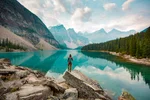
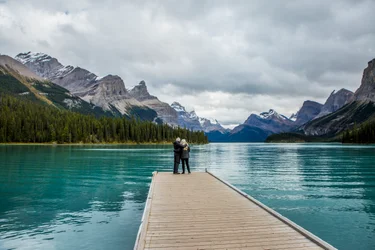
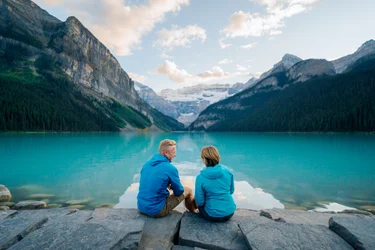
Lake Louise defines the global image of Banff National Park. The lake displays vivid turquoise waters fed by Victoria Glacier and towers surrounded by towering peaks. Visitors engage in canoeing during summer and skating during winter, while the Lake Agnes Tea House Trail and the Plain of Six Glaciers Trail provide direct alpine perspectives. Moraine Lake reinforces the park’s reputation as one of the most photographed landscapes in the world. Positioned within the Valley of the Ten Peaks, Moraine Lake offers panoramic vistas, canoeing opportunities, and access to Larch Valley, which transforms each autumn with golden alpine larch trees.
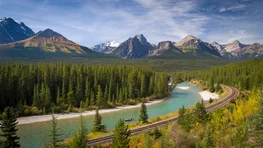
Wildlife viewing contributes significantly to the identity of Banff National Park. The Bow Valley Parkway, Vermilion Lakes, and Lake Minnewanka corridors present consistent opportunities to observe elk, deer, black bears, and bighorn sheep. Higher elevations support mountain goats and grizzly bears, creating conditions for structured wildlife tours and research-based observation. Parks Canada promotes safety and ecological integrity by enforcing guidelines for proper viewing distances and habitat protection.
Hiking trails expand the recreational appeal of Banff National Park, with routes like Johnston Canyon, Sunshine Meadows, and Sentinel Pass offering access to waterfalls, wildflower meadows, and high alpine passes, making them popular Banff National Park attractions.
Seasonal accessibility defines trail choice, with summer months delivering complete access to high elevation routes and winter conditions offering snowshoe and ice walk experiences. Each trail integrates physical challenge with scenic reward, reinforcing the park’s standing as a premier hiking destination.
The defining reputation of Banff National Park rests on a union of glacial lakes, mountain landscapes, wildlife diversity, and extensive trail systems. The park represents a cornerstone of Canada’s conservation heritage and a globally recognized environment for recreation, photography, and natural exploration.
Best-selling Train Trips
What are the must-see attractions in Banff National Park?
The must-see attractions in Banff National Park.
- Lake Louise: Turquoise waters and dramatic mountain backdrop, Lake Louise offers scenic views and various recreational activities (canoeing, hiking, and photography).
- Moraine Lake: Famous blue waters, Moraine Lake is a prime location for photographers and visitors seeking to explore the surrounding trails. No cars are permitted in the summer, with only shuttles accessing the lake in peak season.
- Wildlife Viewing: The park is home to a diverse range of wildlife, including elk, bighorn sheep, grizzly bears, and mountain goats, making it a prime location for nature enthusiasts, along with many Banff National Park attractions.
- Sunshine Meadows: Sunshine Meadows, known for its wildflower-filled meadows and panoramic views of the surrounding mountains, attracts both summer and winter visitors.
- Plain of Six Glaciers: A challenging hiking trail offering incredible views of glaciers and rugged mountain terrain.
- Banff Gondola: A cable car ride to the summit of Sulphur Mountain provides stunning views of the town of Banff and the surrounding landscapes.
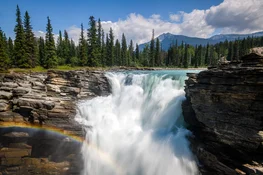
- Johnston Canyon: A popular hiking route leading to waterfalls and offering breathtaking views of the canyon's natural beauty.
- Bow Lake: Serene atmosphere and picturesque setting, Bow Lake is a popular destination for photography and relaxation.
- Castle Mountain: Castle Mountain offers dramatic landscapes with its recognizable towering peaks and provides a range of outdoor activities, including hiking and photography.
- Lake Agnes Trail: A moderate hike leads to a charming lake and a teahouse, offering natural beauty and a restful stop.
How do you get to Banff National Park?
To get to Banff National Park, try one the ways listed below.
- Drive from Calgary: Take the Trans-Canada Highway 1 westbound for approximately 128 kilometers (80 miles) until you reach the Banff National Park entrance. Proceed through the park’s entry gates, where tickets are purchased, and park in designated lots near attractions like Lake Louise or Moraine Lake for convenient trail and scenic access.
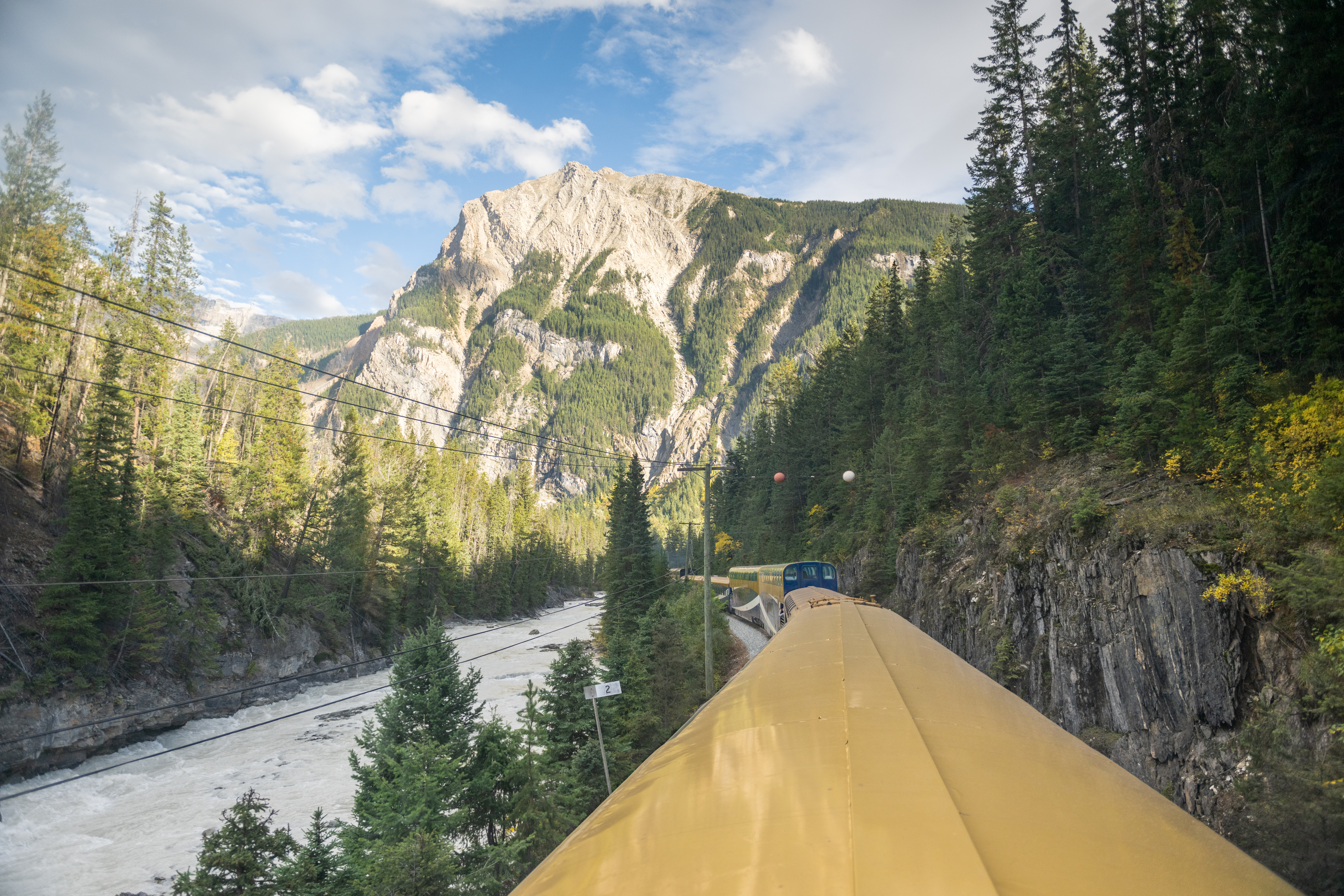
- Take the Rocky Mountaineer Train: Enjoy a scenic rail journey from Vancouver to Banff, passing through spectacular mountain landscapes on the First Passage to the West route. Or try the new Passage to Peaks route in 2026, and travel from Jasper to Banff.
- Use the Banff Airporter Shuttle: Travel directly from Calgary International Airport to Banff National Park via this convenient shuttle service.
What are the shuttle services available in Banff National Park?
Banff National Park provides comprehensive shuttle services designed to facilitate easy access to key attractions while managing congestion, especially during peak seasons. The shuttle system is integral to enhancing the visitor experience by reducing traffic and ensuring convenient transportation to popular destinations such as Lake Louise and Moraine Lake. Utilizing these services is recommended to improve overall access to the park.
Primary Routes Connecting Major Attractions
Banff National Park’s shuttle services focus on providing connections between the town of Banff, Lake Louise village, and the park’s most iconic and frequently visited locations.
- Banff to Lake Louise Lakeshore: Direct service to Lake Louise, offering stunning views of the area and providing easy access to the famous Château Lake Louise.
- Banff to Lake Moraine: Seasonal service to Moraine Lake, known for its vibrant turquoise waters. The route operates from June to early October.
- Lake Louise Lakeshore to Moraine Lake (Connector): A critical connector service enabling visitors at Lake Louise to travel directly to Moraine Lake without requiring separate parking at each location.
Parks Canada Shuttles (Roam Transit, Lake Louise & Moraine Lake Shuttles)
Parks Canada Shuttles: These shuttles operate routes connecting Banff, Lake Louise, Moraine Lake, and other important trailheads. These services are exceptionally vital for reaching Moraine Lake, as the road is closed to private vehicles during the summer months.
Roam Public Transit: A local public transportation system serving the towns of Banff, Canmore, and major destinations like Lake Minnewanka, Johnston Canyon, and Lake Louise. Roam Transit offers efficient access to various attractions throughout the park.
Private Tour Operators & Shuttles
Numerous private companies provide guided tours and shuttle services from Calgary, Canmore, and within Banff to various park attractions. These services often include informative commentary, enhancing the visitor experience while providing transport.
Schedule Operations & Operating Seasons:
Shuttle services in Banff National Park primarily operate between mid-May/June to mid-October for most major routes, including the Moraine Lake shuttle. However, routes within the town of Banff and to Lake Louise operate year-round, though with reduced frequency during winter months.
Booking Recommendations: Check with Parks Canada or Roam Transit for precise dates, departure times, and frequency, as these fluctuate due to weather conditions, demand, and operational changes. Reservations for high-demand routes, particularly to Moraine Lake and Lake Louise during the summer, should be made well in advance. Reservation systems typically open in the spring.
Moraine Lake Access: The road to Moraine Lake remains closed to personal vehicles throughout the year, making shuttle use mandatory for visitors to access the area.
Map Route:
- A detailed map of shuttle routes be found on the official Parks Canada and Roam Transit websites, offering clear guidance on shuttle stops, schedules, and the areas covered by the shuttle services.
What is the shuttle route from Banff to Lake Louise?
The shuttle route from Banff to Lake Louise operated by several services including Roam Transit and Parks Canada Shuttle, offers a convenient connection from the town of Banff to Lake Louise Village or Lakeshore, a destination known for its stunning beauty and popular tourism activities.
- Route: Shuttles depart from key locations in Banff, such as the Banff High School Transit Hub or the Banff Train Station. They travel along scenic Highway 1A or Highway 1, proceeding directly to the Lake Louise Lakeshore or the Lake Louise Park and Ride, where connections to the Lake Moraine Shuttle are available. The shuttle route ensures smooth transit between the town and the lakeshore, alleviating parking challenges.
- Key Stops: Shuttles depart from central locations within the Banff townsite, providing convenient pickup for passengers. The route continues to the Lake Louise Park and Ride, which serves as a transfer point for the Lake Moraine Shuttle and grants access to Lake Moraine. The final stop at Lake Louise Lakeshore offers direct access to the lakeshore area and the renowned Chateau Lake Louise.
- Purpose: The shuttle route's primary function is to offer reliable access to Lake Louise while managing parking limitations at the lakeshore. The service reduces traffic congestion, particularly during peak tourist seasons, ensuring a smoother and more sustainable experience for visitors.
- Frequency: Shuttles operate with a high frequency during the peak season, with planned departures every 15 to 30 minutes, though there can be delays. In the shoulder seasons and winter months, service frequency is reduced to accommodate lower demand.
- Travel Time: The journey typically takes between 40 and 50 minutes one-way, depending on traffic and the number of stops along the route. The shuttle travel time ensures that visitors quickly reach Lake Louise while enjoying the scenic vistas along the way.
What is the shuttle route from Banff to Lake Moraine?
The shuttle service from Banff to Lake Moraine offers a convenient and efficient way to access one of the most picturesque locations in Banff National Park. Operated by Parks Canada and Roam Transit, the shuttle route ensures visitors easily reach the lake while alleviating traffic and parking congestion.
- Route: Shuttles depart from the Lake Louise Park and Ride and travel directly to Lake Moraine, offering scenic views along the route. Passengers transfer from other routes, such as the Lake Louise Shuttle, at the Park and Ride. The route connects key points along Highway 1A.
- Key Stops: The Lake Louise Park and Ride serves as the primary transfer point for accessing Lake Moraine. The shuttle transports visitors directly from the hub to Lake Moraine, providing convenient access to hiking trails and offering breathtaking views of the surrounding landscape.
- Purpose: The shuttle service facilitates access to Lake Moraine, reducing the impact of traffic congestion and limiting the need for parking, particularly in the high-demand summer months. The service contributes to sustainable tourism practices by providing an alternative to private vehicle use.
- Frequency: Shuttles operate with high frequency during the peak season, typically every 20 minutes. In the shoulder seasons and winter months, the service frequency reduces.
- Travel Time: The shuttle trip takes approximately 20 to 25 minutes one-way, depending on traffic conditions and any necessary stops.
What train ticket options are available for Banff?
Train ticket options are available for Banff National Park on a Rocky Mountaineer luxury train, providing scenic access through the Canadian Rockies while ensuring comfort, convenience, and a premium travel experience. Train services to Banff offer luxury and flexibility, allowing travellers to select packages that align with budget, itinerary, and desired amenities.
- Rocky Mountaineer GoldLeaf Service to Banff: The GoldLeaf Service delivers a high-end travel experience with panoramic viewing domes, gourmet meals prepared on board, and dedicated premium service. The GoldLeaf package ensures unobstructed views of the Canadian Rockies, including key landmarks along the route to Banff. Pricing for GoldLeaf journeys begins at approximately $3,200 CAD per person for a standard 2-day itinerary and exceeds $4,000 CAD depending on season, route, and additional inclusions.
- Rocky Mountaineer SilverLeaf Service to Banff: The SilverLeaf Service provides a comfortable and scenic journey with large windows, freshly prepared meals, and attentive onboard service. This option offers elevated comfort at a lower price point compared with GoldLeaf. Standard 2-day SilverLeaf tickets to Banff start from approximately $2,300 CAD and can exceed $4,000 CAD depending on seasonal demand and itinerary choices.
- Customizable Packages: Train operators offer customizable Banff packages that integrate hotel accommodations, guided excursions, and ground transfers. These packages allow passengers to tailor the travel experience for convenience, sightseeing priorities, and timing. Pricing varies according to itinerary complexity, duration, and level of included services.
All train ticket options provide access to iconic Canadian Rockies vistas while ensuring streamlined travel logistics, making Banff National Park tickets essential for securing access. Reservations remain strongly recommended, as peak travel seasons frequently result in high demand for GoldLeaf and SilverLeaf services. Availability and pricing require direct verification with train operators to guarantee optimal travel arrangements.
Rocky Mountaineer Gold Leaf Services
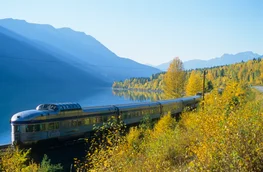
The Rocky Mountaineer GoldLeaf Service provides the premier luxury rail experience through the Canadian Rockies, delivering an unmatched combination of comfort, scenic access, and culinary excellence. Guests travel aboard a custom-designed bi-level glass-domed coach, featuring upper-level seating that ensures unobstructed panoramic views of Banff National Park, Yoho National Park, and the surrounding mountain landscapes. Fine dining occurs in a dedicated lower-level dining room, with meals prepared by onboard executive chefs.
GoldLeaf Service Benefits and Advantages are listed below.
- Accommodations: Guests receive upper-level seating in a bi-level dome coach with full-length windows, allowing uninterrupted views of the Canadian Rockies. The seating arrangement maximizes personal space and improves the scenic experience.
- Amenities: The service includes access to an exclusive outdoor viewing platform, gourmet breakfasts and lunches prepared by executive chefs, and a curated selection of complimentary alcoholic and non-alcoholic beverages, all part of the Gold Leaf Service. An extensive wine list complements the dining experience.
- Comfort: The GoldLeaf Service provides spacious, reclining seats with generous legroom, supported by dedicated onboard culinary and host teams. Onboard storytelling and regional insights enrich the travel experience, delivering educational and leisure value.
- Exclusivity: Guests benefit from a private dining room and personalized service throughout the journey, ensuring a refined and highly controlled travel environment while traversing areas near Banff National Park.
GoldLeaf Service Cost
Pricing for the Rocky Mountaineer GoldLeaf Service starts at approximately $3,200 to $5,000+ CAD per person for multi-day itineraries, including routes adjacent to Yoho National Park. Final pricing depends on specific routes, seasonal demand, and package inclusions, requiring direct confirmation with operators.
Rocky Mountaineer Silver Leaf Services
The Rocky Mountaineer SilverLeaf Service provides a high-quality rail travel experience through the Canadian Rockies, combining scenic access, comfort, and attentive service at a value-oriented level, all included in the Silver Leaf Service. Guests travel in single-level coaches with large panoramic windows that optimize views of Banff National Park, Yoho National Park, and the surrounding mountain terrain. Meals are served at the seat, offering freshly prepared regional cuisine in a relaxed setting.
SilverLeaf Service Benefits and Advantages are listed below.
- Accommodations: Guests are seated in a single-level coach with expansive windows designed for maximum visibility of the Canadian Rockies. Seating arrangements ensure personal comfort and clear sightlines to the landscape.
- Amenities: The service includes freshly prepared breakfasts and lunches, complimentary alcoholic and non-alcoholic beverages, and attentive onboard host service. The environment balances comfort with accessibility for travellers seeking a scenic journey without the extensive luxuries of GoldLeaf Service.
- Comfort: Reclining seats provide ample legroom and ergonomic support. Dedicated onboard hosts offer storytelling, regional information, and assistance, enhancing the overall travel experience.
- Convenience: SilverLeaf Service allows direct access to scenic locations near Banff National Park with a streamlined boarding and seating process, catering to travellers seeking efficiency and visual engagement with the Canadian Rockies.
SilverLeaf Service Cost
Pricing for the Rocky Mountaineer SilverLeaf Service starts at approximately $2,300 to $3,500+ CAD per person for multi-day journeys, including travel segments through Yoho National Park. Costs vary depending on the route, season, and package inclusions, and must be confirmed directly with service providers.
How much do train tickets to Banff cost?
Train tickets to Banff cost starting at $2,300 CAD, depending on the service provider and ticket class. For example, the First Passage to the West eastbound route goes from Vancouver to Banff, via Kamloops, with ticket prices typically starting at $2,300 CAD for SilverLeaf.
The Banff National Park Entry Ticket is required for all visitors to access the park. The standard entry fee is $10 CAD per adult for a one-day pass. For youth aged 6 to 16, the cost is $8 CAD per day, while children under 6 enter free of charge.
The Banff National Park Annual Pass provides unlimited access to the park for a full year, with pricing set at $99 CAD per adult and $49 CAD per youth, while additional attractions require separate fees for Banff tickets. Guided tours and popular activities such as the Banff Gondola and Lake Minnewanka Cruise charge individual rates. The Banff Gondola ticket costs $49 CAD for adults and $19 CAD for children ages six to fifteen, while Lake Minnewanka Cruise tickets are $35 CAD for adults and $19 CAD for children.
Shuttle services such as the Banff Lake Louise Shuttle and Moraine Lake Shuttle provide convenient transportation for mountaineers, with fares typically starting at $35 CAD per person for a one-way trip, making them a practical option for securing a Banff National Park ticket.
[ Explore: Rocky Mountaineer Train Cost ]
When should I book my train tickets to Banff?
You should book your train tickets to Banff well in advance to secure the best rates and ensure availability during peak tourist seasons. Travellers planning trips from June to September should book tickets at least three to six months in advance to secure availability and optimal rates. Booking in advance increases the likelihood of securing preferred dates and times for travel, as Banff is a popular destination, particularly during the warmer months when outdoor activities and scenic train journeys are in high demand.
Booking for the fall and spring occurs 1 to 4 months in advance. Early booking is recommended, particularly for specific train routes or classes in the GoldLeaf or SilverLeaf services on the Rocky Mountaineer.
Are there group discounts for train tickets to Banff?
Yes, there are group discounts for train tickets to Banff, available for larger groups traveling together. A minimum of 15 passengers qualifies for the discount, and the percentage reduction varies based on the train service, travel date, and group size. Train service providers confirm eligibility requirements and discount amounts, offering tailored pricing based on the group’s needs.
What are the top things to do in Banff National Park?
The top things to do in Banff National Park are listed below.
Summer Activities:
- Hiking and Trail Walking: Banff National Park boasts over 1,000 kilometers of hiking trails, suitable for all skill levels. Popular trails include the Lake Louise Lakeshore and the Plain of Six Glaciers. The summer season, from June to September, offers optimal conditions for hiking, with mild temperatures and fully accessible trails.
- Canoeing and Kayaking: The crystal-clear waters of Lake Louise and Moraine Lake offer excellent opportunities for canoeing and kayaking, especially during the summer months when lakes remain calm and weather conditions stay favorable, making them highlights among the things to do in Banff National Park.
- Wildlife Viewing: The summer months provide the best opportunities for spotting wildlife, elk, deer, and bears, on the park's many trails and scenic drives. Early morning or late evening is the optimal time for wildlife observation.
- Scenic Drives: The Icefields Parkway and the Bow Valley Parkway offer breathtaking views of glaciers, lakes, and towering peaks. These routes are best taken during the summer, providing access to remote areas of the park with clear roads and stunning vistas.
Winter Activities:
- Skiing and Snowboarding: Banff National Park is home to three world-renowned ski resorts: Banff Mount Norquay, Sunshine Village, and Lake Louise Ski Resort. These resorts offer excellent skiing and snowboarding conditions from November through April, with powder snow and challenging slopes.
- Snowshoeing and Cross-Country Skiing: For explorers seeking a more serene winter experience, snowshoeing and cross-country skiing are excellent options. Several trails, including the Lake Louise Lakeshore Trail, are open year-round and offer picturesque views in the winter months.
- Ice Climbing: Johnston Canyon, a popular summer hiking destination, transforms into an ice climber’s paradise during the winter. The frozen waterfalls and ice formations attract climbers from around the world.
- Winter Wildlife Viewing: Winter offers a quieter time to view wildlife in Banff. Visitors often spot animals, elk, bighorn sheep, and mountain goats in the park during the winter months. These animals are commonly seen on the roads or in more secluded areas early in the morning.
What are fun activities to do in Banff National Park?
Fun activities to do in Banff National Park include hiking across alpine terrain, canoeing on glacier-fed lakes, experiencing panoramic mountain viewpoints, bathing in mineral hot springs, camping in wilderness settings, and engaging with cultural heritage sites. Hiking trails, including Johnston Canyon, Lake Agnes Tea House, and Larch Valley, present waterfalls, turquoise lakes, and golden alpine larches, highlighting the seasonal beauty of the Canadian Rockies. Canoeing on Lake Louise, Moraine Lake, and Lake Minnewanka delivers direct encounters with turquoise waters framed by glaciers and rugged peaks. Scenic drives in the Icefields Parkway reveal expansive views of mountains, glaciers, and wildlife habitats, while the Banff Gondola on Sulphur Mountain elevates visitors to sweeping vistas of six mountain ranges. Banff Upper Hot Springs offers natural mineral waters within a historic leisure setting, reflecting the origins of Canada’s national parks. Campgrounds at Lake Louise, Tunnel Mountain, and Two Jack Lake offer access to fishing, hiking, and starlit skies, while backcountry camping introduces adventurers to remote alpine environments. Cultural depth emerges at the Cave and Basin National Historic Site, where the national parks system began, and in Banff townsite galleries and museums, which preserve Indigenous traditions, mountain exploration, and conservation history. Each activity demonstrates the park’s ability to merge recreation, natural wonder, and cultural significance, establishing Banff National Park as a premier destination in the Canadian Rockies.
Are there designated best trails in Banff National Park?
No, there are no formally designated best trails in Banff National Park.
Parks Canada establishes and maintains official routes, signage, and safety standards, not rankings or superlatives. Trail reputation arises from guidebooks, visitor statistics, and travel media rather than regulatory designation. Trail selection requires alignment between party experience, seasonal access, and current advisories. Elevation gain, distance, exposure, and terrain complexity determine difficulty across Banff hiking trails. Parks Canada trail reports, area closures, and wildlife notices provide authoritative guidance for safe planning.
Popular routes within widely referenced top hikes in Banff include Lake Agnes Tea House, Plain of Six Glaciers, Johnston Canyon and the Ink Pots, Larch Valley and Sentinel Pass, Sunshine Meadows, Tunnel Mountain, and Lake Minnewanka shoreline. Search intent keywords appear naturally within ordinary language use because Banff National Park's best trails and top hikes in Banff remain informal labels rather than official categories.
Is there a good spot to see wildlife in Banff National Park?
Yes, there is a good spot to see wildlife in Banff National Park. The Bow Valley Parkway provides one of the most reliable corridors for observing elk, deer, black bears, and bird species within a natural setting. Early morning and evening hours present higher chances of viewing animals in meadows, riverbanks, and forest edges. Lake Minnewanka area features bighorn sheep near steep rocky slopes, while Vermilion Lakes and surrounding wetlands attract waterfowl and beavers. The Icefields Parkway extends opportunities to encounter mountain goats and grizzly bears across alpine passes and open valleys. Wildlife viewing in Banff National Park requires respect for distance and habitat integrity, ensuring safe and sustainable encounters with the park’s diverse species.
When is the best time to visit Banff National Park?
The best time to visit Banff National Park depends on preferred activities and weather conditions.
Hiking, wildlife viewing, and sightseeing, the optimal period spans from late June to early September. Warm weather from late June to early September keeps most trails fully accessible, including popular destinations (Lake Agnes, Moraine Lake, and Sentinel Pass). The park’s alpine meadows bloom with wildflowers, and the long daylight hours allow for extended exploration of the scenic landscape. Wildlife, including elk, deer, and bears, is more active, making it the prime period for wildlife enthusiasts.
Winter, December through March, presents the best conditions for skiing and snowboarding. Banff National Park is home to world-class ski resorts, including Sunshine Village, Lake Louise Ski Resort, and Mount Norquay, where abundant snowfall ensures optimal conditions for skiing, snowboarding, and other winter activities. Ice walks, snow at Johnston Canyon, provide unique winter experiences, while the snow-covered landscape creates opportunities for snowshoeing and other winter sports.
Autumn, particularly late September to early October, offers another prime period for visitation. The larch forests in the Larch Valley turn golden, creating a striking visual display. The cooler temperatures and lower crowd numbers provide a more serene experience, though some higher elevation trails be inaccessible due to snow.
Spring, from mid-April to early June, remains the least popular time to visit due to lingering snow and colder temperatures. Spring offers a unique appeal, particularly for Explorers interested in early wildlife sightings as animals emerge from hibernation. Lower-elevation trails (Bow River or Lake Minnewanka) begin to thaw, allowing for early-season hiking opportunities.
The question is, when is the best time to visit Banff National Park, aligning with individual activity preferences? Summer remains the most popular time due to diverse outdoor opportunities, while winter caters to travellers focused on winter sports. Both spring and autumn offer unique experiences with fewer crowds and specific seasonal features.
What are the specific months to best visit Banff National Park?
The best specific months to visit Banff National Park are July, August, September, December, January, and February. July and August deliver the warmest weather, full trail access, and open alpine lakes for canoeing and hiking. September introduces the golden larch season in Larch Valley and Sentinel Pass, providing striking fall scenery with cooler air and fewer crowds. December, January, and February create peak conditions for skiing and snowboarding at Sunshine Village, Lake Louise Ski Resort, and Mount Norquay, while frozen waterfalls at Johnston Canyon improve the winter experience. The months align directly with seasonal highlights, defining Banff National Park as a premier destination for outdoor adventure.
What season is the best to visit Banff National Park?
The best season to visit Banff National Park is summer. Favorable weather from late June through early September opens access to alpine trails, turquoise lakes, and panoramic drives along the Icefields Parkway. Hiking routes, including Lake Agnes, Plain of Six Glaciers, and Sunshine Meadow, reach their prime during the summer period, while canoeing on Lake Louise and Moraine Lake provides iconic glacial scenery. Wildlife viewing in the Bow Valley Parkway and Vermilion Lakes intensifies during early summer, and wildflower blooms add vibrant color to high alpine meadows. Summer provides the broadest combination of accessibility, comfort, and variety in Banff National Park, while autumn displays golden larch foliage, winter supports world-class skiing, and spring highlights wildlife activity.
Where to stay in Banff National Park?
The places to stay in Banff National Park are listed below.
- Luxury Lake Louise Hotels: Grand properties deliver direct lakefront views, immediate access to shoreline paths, swift connections to Plain of Six Glaciers and Lake Agnes trailheads. Proximity to the Icefields Parkway shortens drives toward Peyto Lake viewpoints.
- Banff Townsite Hotels: Central addresses place guests near Banff Avenue dining districts, Bow River pathways, Banff Park Museum, Whyte Museum, Cascade Gardens. Roam transit hubs streamline movement across Tunnel Mountain and Sulphur Mountain areas.
- Bow Valley Parkway Inns and Cabins: Lodge clusters sit in a wildlife-rich corridor between Banff and Lake Louise. Short approach distances reach Johnston Canyon, Castle Mountain lookouts, and Morant’s Curve photo pullouts.
- Ski Area Base Lodging near Sunshine Village and Mount Norquay: Properties position travellers for rapid first lifts during winter periods and quick access to alpine meadows during summer operations. Elevated settings produce expansive valley views above the townsite.
- Moraine Lake Area Lodges: Lakeside stays grant sunrise-ready positions beneath the Valley of the Ten Peaks. Trailheads for Consolation Lakes and Larch Valley sit nearby, reducing transfer time before steep ascents.
- Hostels and Budget Lodging: Shared accommodations reduce costs while preserving access to major attractions. Locations near transit corridors enable efficient movement toward Lake Minnewanka, Vermilion Lakes, and downtown venues.
- Frontcountry Campgrounds: Parks Canada campgrounds at Tunnel Mountain, Two Jack Lake, and Lake Louise provide serviced sites, washrooms, and quick links to family-friendly trails. Night skies remain prominent because low light levels prevail beyond the town core.
- Backcountry Camping: Permit-based wilderness campsites create direct involvement in alpine terrain. Routes Egypt Lake, Skoki region, and Bryant Creek position tents near lakes, passes, and wildlife viewing zones.
- Historic Backcountry Lodges: Rustic lodges in Skoki Lodge offer catered stays accessed by hiking routes rather than paved roads. Remote footprints deliver heritage architecture, quiet nights, and trailheads at the doorstep.
- Lake Minnewanka Area Stays: Accommodations near the Minnewanka Loop provide fast access to cruises, shoreline hikes, and bighorn sheep viewing. Short drives connect to Cascade Ponds picnic areas and Johnson Lake beaches.
How accessible is Banff National Park?
Banff National Park is highly accessible. Trans Canada Highway 1 provides direct road access from Calgary International Airport via a continuous four-lane route. Roam Transit operates scheduled buses across the Banff townsite, Lake Minnewanka, Johnston Canyon, and Lake Louise. Parks Canada shuttles move visitors to Moraine Lake and Lake Louise trailheads during peak season. Banff Gondola grants step-free summit access to Sulphur Mountain via enclosed cabins; elevated boardwalks, and interpretive facilities support varied mobility needs. Townsite sidewalks, Bow River pathway, and Fenland Trail segments provide level surfaces for wheelchairs and strollers. Designated viewpoints at Vermilion Lakes, Tunnel Mountain Drive, and Lake Minnewanka day use areas feature paved parking, accessible washrooms, and tactile signage. Banff Upper Hot Springs offers lift access, ramped entries, and accessible change rooms. Frontcountry campgrounds at Tunnel Mountain, Two Jack Lake, and Lake Louise include paved loops, accessible sites, and proximity to transit. Seasonal snow, wildlife closures, and construction create temporary limitations; official advisories and trail reports provide timely updates. Search intent phrase: How Accessible is Banff National Park? Finds a definitive conclusion through the combined reach of highways, public transit, shuttle systems, and step-free attractions.
Does Banff National Park provide accommodation?
Yes, Banff National Park provides accommodation in a vast network of campgrounds across the park, offering frontcountry and backcountry options. Frontcountry facilities include Tunnel Mountain, Two Jack Lake, Lake Louise, Johnston Canyon, and Castle Mountain, each offering unserviced or serviced sites at varied rates. Pricing begins at $19.75 CAD per night for primitive sites at Mosquito Creek, Rampart Creek, and Silverhorn Creek. Unserviced sites at Castle Mountain and Waterfowl Lakes cost $24.00 per night. Lake Louise, Johnston Canyon, and Two Jack Lakeside campgrounds provide unserviced sites with access to showers at $30.50 per night, while Tunnel Mountain full-service sites reach $42.50 per night. Fire permits add a charge of $11.00 to $17.00 per day, depending on the campground. Reservation services include an online fee of $11.50 per booking or a phone service fee of $13.50.
Private companies manage hotels, lodges, and hostels located within the Banff townsite, Lake Louise, and the Bow Valley Parkway. Luxury establishments Fairmont Banff Springs and Fairmont Chateau Lake Louise offer direct access to alpine lakes and trails, while mid-range hotels and hostels provide affordable alternatives with central positioning near restaurants, museums, and transit hubs. Seasonal ski lodges near Sunshine Village and Mount Norquay position visitors close to chairlifts during winter and alpine meadows during summer operations.
Visitors must purchase a Banff park pass for entry. Daily admission costs $11.00 per adult and $22.00 per family or group. The annual Parks Canada Discovery Pass, valid across multiple national parks, costs $75.25 per adult and $151.25 per family or group. Banff National Park maintains a dual system of public campgrounds managed by Parks Canada and privately operated hotels, ensuring a broad range of accommodation suited to varied visitor needs and budgets.
Does Banff National Park need passes?
Yes, Banff National Park needs passes. Visitors must obtain a Banff park pass to access the park’s facilities, including campgrounds, trails, and popular attractions. Daily admission is $11.00 for adults and $22.00 for a family or group. The annual Parks Canada Discovery Pass, which provides unlimited entry to multiple national parks, is available for $75.25 per adult and $151.25 for a family or group.
Parks Canada manages several campgrounds within Banff National Park, including Tunnel Mountain, Two Jack Lake, Lake Louise, and Johnston Canyon. Prices for these campgrounds range from $19.75 per night for backcountry sites at Mosquito Creek to $42.50 per night for full-service sites at Tunnel Mountain. Reservations incur an additional fee of $11.50 for online bookings or $13.50 for phone reservations.
Private companies operate hotels and lodges in the Banff townsite and Lake Louise. Accommodation rates vary depending on the location and season, with luxury hotels in Fairmont Banff Springs and Fairmont Chateau Lake Louise commanding higher rates.
Explore More About The Rocky Mountaineer
.jpg?auto=webp&format=webp&width=150&max_age=31536000)


Useful Links
Canadian Train Trip FinderRocky Mountaineer Train ToursRocky Mountaineer Train PriceRocky Mountaineer Train RoutesRocky Mountaineer 2026 ScheduleFirst Passage to the West Journey Through the Clouds RouteRainforest to Goldrush RoutePassage to the Peaks RouteTravel Guides
Canadian Rockies Travel GuideBanff National Park Travel GuideJasper National Park Travel GuideLake Louise Travel GuideCalgary Travel GuidePopular Train Trips
Jasper and Banff Extended GetawayVancouver and Banff Extended Getaway Circle the Rockies Extended GetawayVancouver and Lake Louise Extended GetawayRockies Sleeper-Train Extended GetawayRockies Train Extended Getaway with Self-DriveCanadian Rockies Trains
About Us© 2026 Fresh Tracks Canada