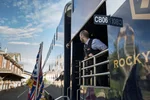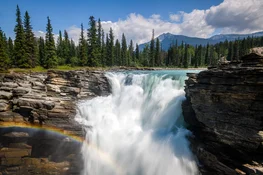
Jasper and Banff Extended Getaway
Calgary→Banff→Jasper→Kamloops→Vancouver
Available: April – October
Length: 8 days / 7 nights
Train type: Rocky Mountaineer
Time on train: 2 days
Loading...
Rocky Mountaineer Train cost, prices, and packages offer a premium way to explore the Canadian Rockies by rail. The Rocky Mountaineer is a luxury scenic train that travels through mountain ranges, river valleys, and historic routes connecting Vancouver with Banff, Jasper, or Lake Louise. The train journey highlights the natural beauty of Western Canada while providing a high level of service, spacious seating, and panoramic views through glass-domed coaches. Travellers experience multi-day rail tours that include gourmet meals served onboard, overnight hotel stays at select destinations, and professional hosts who share stories about the landscapes and history along the route.
The Rocky Mountaineer train cost varies according to travel class, route, length of the journey, and time of year. Rocky Mountaineer train prices range from CAD 1,800 to CAD 3,000 per person for a two-day package, while longer four-day routes reach CAD 5,000 or more, depending on upgrades. The price depends on the choice between SilverLeaf and GoldLeaf service, the train route, and additional excursions such as sightseeing tours in Banff or Jasper. Travellers expect comfortable seating with wide reclining chairs, large windows for uninterrupted views, and dining that highlights regional ingredients. The train experience is centred on relaxation, scenery, and premium service, making it one of the most distinctive ways to discover the Canadian Rockies.
Calgary→Banff→Jasper→Kamloops→Vancouver

Vancouver→Kamloops→Jasper→Banff→Kamloops→Vancouver
Vancouver→Kamloops→Banff→Calgary
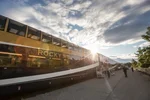
The different Rocky Mountaineer Train routes are listed below.
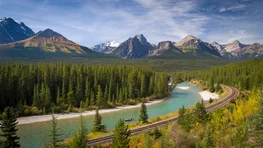
Rocky Mountaineer offers distinct rail journeys that travel through the most famous destinations in Western Canada and the Canadian Rockies, including Banff, Lake Louise, Jasper, Whistler, and Kamloops. Each route features a combination of mountain passes, turquoise lakes, and river valleys, creating a scenic trip that highlights the region’s natural beauty. Travellers experience comfortable service on board while seeing well-known landmarks and national parks along the way.
First Passage to the West, a route that goes to Banff, a mountain town set within Banff National Park, is part of the Canadian Rocky Mountaineer rail system. The route goes to Lake Louise, a celebrated destination known worldwide for its turquoise waters and mountain backdrop. Two train routes reach Jasper National Park, with Journey Through the Clouds being a two-day journey from Vancouver, and Rainforest to Gold Rush, offering a longer path through Whistler and Quesnel. The Canadian journeys provide travellers with access to iconic mountain parks. The United States journeys offer a unique experience through deserts and red stone rock formations through the Rockies to the Red Rocks.
The average cost of a Rocky Mountaineer train trip ranges from CAD 2,245 to CAD 5,035 per person for a standard, multi-day package in 2025. The price includes the train journey, hotel stays along the route, and meals served on board. Longer trips with extended overnight stays and sightseeing options fall toward the higher end of the range, while shorter two-day journeys sit closer to the lower end.
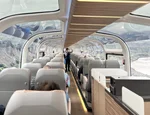
Canadian Rockies train trip prices vary depending on travel season, level of service, route, and package length. For example, GoldLeaf Service, which features a bi-level glass-dome coach and gourmet meals, has a higher price compared to SilverLeaf Service. Travel in peak summer months costs more than in spring or fall, and extended journeys that include destinations such as Banff, Lake Louise, or Jasper add to the final total. A Canadian Rockies Train journey is a premium travel experience, and the cost reflects the level of comfort, scenery, and service included throughout the trip.
Choose your service level based on comfort and value
We suggest choosing GoldLeaf if you want extra comforts like a bi-level dome and a dedicated dining room. If you’re looking for a more affordable option with panoramic windows and at-seat dining, SilverLeaf delivers outstanding value and the same spectacular scenery.
Kirsten McNabbProduct Specialist
The factors that influence the price of a Rocky Mountaineer Journey are listed below.
The cheapest Rocky Mountaineer experience costs CAD 2,245 per person for a two-day SilverLeaf package during the shoulder seasons of April or October. The basic package includes two full days aboard the train with breakfast and lunch served each day, and one night’s stay at a hotel in Kamloops, which is the midpoint of the journey. The transportation between the train station and the hotel is included. The option represents the shortest itinerary in SilverLeaf service during the less expensive travel months (April, May, or October), offering a straightforward, scenic rail journey through parts of the Canadian Rockies. Travellers searching for cheap Rocky Mountaineer tickets enjoy the entry-level package, which includes meals, lodging, and the unique landscapes of western Canada.
April, May, and October offer great savings
We recommend travelling in April, May, or October for lower prices, fewer crowds, and gorgeous seasonal views — a smart way to save on your Rocky Mountaineer journey.
Kirsten McNabbProduct Specialist
A Luxury Rocky Mountaineer Trip Cost is about CAD 12,000 or more per person for a longer journey in GoldLeaf service that extends beyond eight days. Luxury travel combines rail segments with luxury hotel stays, guided tours, and fine dining, creating a seamless experience across Western Canada. A high-end package blends the glass-domed rail journey with iconic destinations such as Banff, Lake Louise, and Jasper, while including private transfers and extended stays in premium accommodations. Travellers choosing a luxury Rocky Mountaineer train experience enjoy panoramic seating, gourmet multi-course meals, and dedicated onboard hosts who provide exceptional service throughout the trip.
Organizers of Canada luxury train holidays pair the journey with other experiences like a stay at Fairmont Chateau Lake Louise or a tour of the Columbia Icefield. The higher Rocky Mountaineer train cost reflects the combination of exclusive service, extended itineraries, and luxury extras such as fine dining, guided excursions, and stays in landmark hotels. Travellers choosing the luxury option receive more than a train ride, as the experience is built as a complete luxury holiday that connects some of the most beautiful destinations in Canada with the comfort of five-star service.
Seasonal promotions can add value to your journey
I recommend keeping an eye out for Rocky Mountaineer’s seasonal promotions, especially in early spring and late fall. Discounts, hotel upgrades, or added excursions can lower the overall trip cost without reducing the quality of the experience.
Susan TomihiroVice President of Product
Yes, there are private railcar options on the Rocky Mountaineer Train and are arranged through custom group charters rather than through standard reservations for solo travellers. The arrangement is designed for organisations, families, or tour operators who require an entire carriage for a set number of guests.
A private railcar provides exclusive seating, dedicated hosts, and a personalised service schedule, giving groups control over seating arrangements, meal service timing, and onboard activities. A separate booking process is required for charters, which involves coordination with the Rocky Mountaineer sales team. The structure ensures that the experience is tailored to the needs of the group while maintaining the train’s leading service for general passengers.
The Price difference between SilverLeaf and GoldLeaf Service on the Rocky Mountaineer is shown in the table below.
|
Feature |
GoldLeaf Service |
SilverLeaf Service |
|
Coach Type |
Bi-level glass-dome coach with upper-level seating for unobstructed views and a lower-level dedicated dining area |
Single-level glass-dome coach with oversized panoramic picture windows |
|
Windows |
Full glass-dome panoramic windows offering 360° views of mountains, rivers, and wildlife |
Oversized panoramic picture windows provide wide scenic views |
|
Seating & Comfort |
Reclining, extra-wide leather seats with additional legroom and a higher elevation for a better viewing angle |
Reclining, pre-assigned comfortable seats with ample legroom |
|
Dining Experience |
Multi-course gourmet à la carte meals freshly prepared by onboard chefs and served in the dining room |
Chef-prepared hot entrée meals featuring regional flavours, served at the seat |
|
Beverage Service |
Unlimited alcoholic and non-alcoholic drinks, including premium cocktails, craft beers, and fine BC wines |
Unlimited alcoholic and non-alcoholic beverages, including BC wines and regional beers |
|
Outdoor Viewing |
Large, exclusive outdoor viewing platform for uninterrupted photography and fresh-air viewing |
Small outdoor viewing area located between coaches |
|
Onboard Staff |
3 - 4 dedicated hosts providing commentary and assistance, plus a full onboard culinary team |
2 attentive hosts providing service and commentary, with kitchen support staff |
|
Passenger Capacity |
68 seats per coach. The dining room seats 36 people at one time |
56 seats per coach in a more compact seating arrangement |
|
Extra Amenities |
Complimentary transfers to selected hotels, and expanded meal choices |
Complimentary transfers to selected hotels, and well-prepared regional dishes |
|
Price Difference |
An average of CAD 1,000 - CAD 1,500 more per person, reflecting added luxury and space. The GoldLeaf vs SilverLeaf comparison shows that travellers selecting GoldLeaf receive more elevated service, dining in a dedicated restaurant, and exclusive outdoor viewing platforms. |
More budget-friendly while delivering a premium sightseeing and dining experience |
GoldLeaf and SilverLeaf services on the Rocky Mountaineer differ in coach design, dining experience, seating comfort, and passenger capacity. GoldLeaf features a bi-level glass-dome coach with a separate dining area, leather reclining seats, and outdoor viewing platforms. SilverLeaf offers a single-level glass-dome coach with oversized windows and meals served at the seat. GoldLeaf includes gourmet multi-course dining prepared by onboard chefs, premium beverages, and access to a dining room and large outdoor viewing platform. SilverLeaf provides hot plated meals, regional snacks, and wide reclining seats with panoramic views, offering a more affordable option with fewer luxury features. A comparison of GoldLeaf vs SilverLeaf reveals clear differences in travel style and onboard features. Pricing for GoldLeaf ranges from CAD 2,350 to CAD 3,500 per person, while SilverLeaf starts around CAD 2,250 and reaches up to CAD 3,200 depending on the season and itinerary length.
Rocky Mountaineer Prices are moderate when compared to other world-famous luxury train rides, placing them in a more accessible range without losing the premium travel experience. A journey on the Rocky Mountaineer luxury train begins at CAD 2,000 to CAD 3,500 per person for shorter routes, while longer multi-day routes range higher depending on service class. Rocky Mountaineer operates as a daytime-only sightseeing train, meaning travellers enjoy daylight views of mountains, lakes, and forests before staying overnight in hotels arranged along the route. The approach creates a different style of journey compared to overnight sleeper trains, where accommodation, dining, and travel are combined on board. The Rocky Mountaineer emphasizes scenic landscapes while providing hotel stays that offer rest before the next day of travel.
The things that are included in the cost of a Rocky Mountaineer Package are listed below.
Add extra nights to extend your Rockies journey
One of my favourite ways to add value is to extend the rail journey with extra nights in Banff, Jasper, or Lake Louise. Many packages offer easy add-ons, and the extended time lets you explore the Rockies beyond the route.
Elléa MoreauManager of Product Operations
Yes, Rocky Mountaineer prices include meals on the train. The fare for SilverLeaf and GoldLeaf covers gourmet breakfasts and lunches served on board, with each dish prepared using regional ingredients that highlight the flavours of Western Canada. A selection of alcoholic and non-alcoholic drinks is included, giving travellers wine, beer, cocktails, coffee, tea, and juices during the journey. The service complements the scenery outside the window, making the dining experience part of the trip itself. Fares for Rocky Mountaineer start from around CAD 2,245 per person for a two-day journey in SilverLeaf Service, with GoldLeaf Service offered at a higher price point for additional comfort and dining options. The inclusion allows travellers to focus on the journey and landscapes without additional dining costs during the train portion of the trip.
Yes, Rocky Mountaineer train prices include hotel accommodations. Travellers do not sleep on the train, as the journeys take place during the day to ensure views of the surrounding scenery. Overnight stays are arranged in partner hotels at stopover points (Kamloops, Quesnel or Whistler), and are included in the tour package. The arrangement provides comfort and rest while keeping the daytime hours reserved for the rail experience through mountain landscapes, river valleys, and historic routes.
The quality of accommodations depends on the service level booked, with options ranging from comfortable standard hotels to higher-end properties. For example, a SilverLeaf Service package includes well-appointed standard hotels, while GoldLeaf Service packages feature more premium properties with upgraded amenities. The Rocky Mountaineer Hotel Options have been chosen to reflect the character of the destination towns and to offer convenience after a long day on the train. Prices vary by route and season, with packages starting at CAD 1,800 to CAD 2,500 per person for a short journey, and higher amounts for longer multi-day experiences that include luxury hotels and extended stays in Banff, Jasper, or Lake Louise.
Yes, Rocky Mountaineer prices include excursions, depending on the type of chosen package. The base rail-only packages focus on the train journey and cover meals on board and daylight travel, but do not extend to sightseeing tours or guided activities. The inclusion of Rocky Mountain train excursions depends on the type of package selected. Larger packages, which range in price from around CAD 3,000 to over CAD 7,000 per person, provide added features, such as hotel stays, luggage handling, motorcoach transfers, and guided sightseeing in destinations (Banff, Jasper, or Lake Louise). Standard rail-only fares, which start lower in cost, exclude extras and concentrate on the scenic rail experience. The structure gives travellers a choice between enjoying the journey on its own or selecting a more complete holiday package that blends rail travel with excursions and tours.
The best time of year to travel on the Rocky Mountaineer is during the operating season, which runs from April to October. Spring presents snow-capped peaks and rushing rivers created by the melting snow, giving the journey a fresh and dramatic backdrop. Summer brings long daylight hours, warm temperatures, and bustling mountain towns that thrive during the peak travel season. Fall transforms the landscapes with golden larch trees, crisp mountain air, and striking autumn colours that provide a quieter but equally scenic experience.
Spring is ideal for seeing contrasting landscapes with lingering snow on the mountains while the valleys start to bloom. Summer appeals to travellers who want extended daylight and lively mountain towns such as Banff and Jasper. It is the busiest period with higher demand and prices reaching over CAD 3,000 for premium packages. Fall offers fewer crowds and vibrant foliage, creating a more tranquil atmosphere while delivering the grandeur of the Rockies. September is one of the most popular months, while October is usually quieter. The Best Time for Canadian Rockies travel depends on what a traveller values most in the journey. Each season highlights a different aspect of the region, making the best time to travel a matter of preference within the April to October window.
Yes, there are off-season discounts for Rocky Mountaineer trips, with promotions often focusing on the travel months of April, May, and October. The reduced rates encourage travel outside the peak summer months, making it possible to enjoy the same luxury rail experience at a lower cost. Travelling during April, May, and October means fewer passengers on board and in the Rockies, creating a quieter atmosphere and more personal space. Scenic views remain impressive during spring and autumn, with snow-capped mountains in April and vibrant fall colours in October.
Promotional offers during the shoulder seasons present an opportunity to experience high-quality service while spending less. For example, travellers booking in April or May find bundled packages that include hotel stays or additional sightseeing tours at a reduced rate. Cooler temperatures and fewer crowds in October contribute to a more relaxed exploration of the Canadian Rockies. p. The advantages make off-season bookings a practical choice for travellers seeking comfort, value, and scenic beauty without the larger summer crowds.
Yes, group discounts are offered for Rocky Mountaineer trips when a booking reaches a certain number of travellers. The discount applies to organised groups (friends, families, or tour parties) travelling together on the exact departure. The benefit encourages larger gatherings to experience the scenic rail journey at a reduced rate, making it more affordable for events (reunions or club trips).
The required group size is set by the company and is counted by the number of paying passengers on one booking. Larger groups receive greater savings or added perks (complimentary seats or upgraded services). The offer from Rocky Mountaineer trips allows travellers to share the experience with others while enjoying financial advantages that are not available to smaller parties.

Useful Links
Canadian Train Trip FinderRocky Mountaineer Train ToursRocky Mountaineer Train PriceRocky Mountaineer Train RoutesRocky Mountaineer 2026 ScheduleFirst Passage to the West Journey Through the Clouds RouteRainforest to Goldrush RoutePassage to the Peaks RouteTravel Guides
Canadian Rockies Travel GuideBanff National Park Travel GuideJasper National Park Travel GuideLake Louise Travel GuideCalgary Travel GuidePopular Train Trips
Jasper and Banff Extended GetawayVancouver and Banff Extended Getaway Circle the Rockies Extended GetawayVancouver and Lake Louise Extended GetawayRockies Sleeper-Train Extended GetawayRockies Train Extended Getaway with Self-DriveCanadian Rockies Trains
About Us© 2026 Fresh Tracks Canada