Visiting Lake Louise
Lake Louise Travel Guide is an inspiring source for discovering one of the most spectacular alpine destinations in the Canadian Rockies. Visiting Lake Louise offers travellers the chance to experience one of the most photographed natural landmarks in Canada. Lake Louise is located within Banff National Park in Alberta and captivates visitors with its stunning turquoise waters framed by snow-capped peaks and the majestic Victoria Glacier. The lake's colour, caused by light refraction off rock flour from glaciers, creates a breathtaking setting that shifts in intensity throughout the day. Travellers visit to witness its beauty, experience world-class hiking, and explore the surrounding mountain landscapes.
Lake Louise offers a mix of outdoor adventure and luxurious mountain experiences. Visitors enjoy scenic hikes such as the Lake Agnes Tea House Trail for historic charm or the Plain of Six Glaciers Trail for dramatic glacier views. Canoeing across the lake provides an intimate experience of the glacier-fed waters, and the iconic Fairmont Chateau Lake Louise offers dining and accommodation with unparalleled views. Summer wildflower meadows and winter ice skating transform the area seasonally. Lake Louise, whether for hiking, photography, or alpine relaxation, provides one of the Rockies' most celebrated natural experiences.
Access to Lake Louise is straightforward with well-maintained infrastructure year-round. The lake is located about 57 kilometres from Banff townsite and 182 kilometres from Calgary International Airport, accessible via the Trans-Canada Highway. Visitors reach the area through rental cars, shuttle services from Banff or Calgary, or guided tours. Parks Canada requires park passes when using park facilities and trails. Lake Louise stands out for its exceptional scenery, developed amenities balancing wilderness access, and its position as the crown jewel of the Canadian Rockies' mountain destinations.
What is Lake Louise known for?
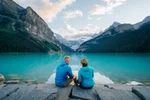
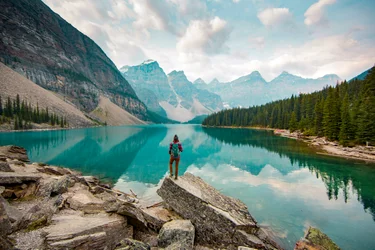
Lake Louise is known for its striking turquoise waters, framed by the towering Victoria Glacier and surrounding mountain peaks. The glacially fed lake in Banff National Park is one of the most iconic natural landmarks in Canada and a symbol of alpine grandeur in the Canadian Rockies. Its brilliant blue-green hue, which shifts with the light and season, is created by fine rock flour suspended in the glacier meltwater. Visitors come to admire the breathtaking reflection of the mountains in the calm waters, especially during sunrise, when the peaks illuminate in shades of gold and rose.
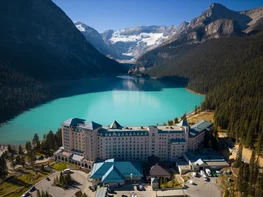
Lake Louise is known for its world-class hiking trails, including the Lake Agnes Tea House Trail and Plain of Six Glaciers Trail, offering historic charm and dramatic glacier viewpoints. The lake's setting makes it a favourite for photographers, outdoor enthusiasts, and travellers seeking a quintessential mountain experience. Canoeing on its mirror-like surface and staying at the iconic Fairmont Chateau Lake Louise, perched on its eastern shore, are among the most memorable activities. The main appeal that makes Lake Louise famous is its unmatched natural beauty, year-round accessibility, and perfect balance of wilderness and refined amenities. It is among the most celebrated and visited destinations in Banff National Park and the entire Canadian Rockies.
Best-selling Train Trips
What Attractions should you not miss in Lake Louise?
The attractions you should not miss in Lake Louise are listed below.
- Lake Louise: The iconic turquoise lake offers breathtaking views framed by snow-capped mountains. Canoeing on the lake provides a peaceful perspective of the surrounding peaks. Visitors hike along the lakeshore trail for scenic photo opportunities.
- Moraine Lake: Famous for its striking blue waters and Ten Peaks backdrop, Moraine Lake is perfect for short hikes or photography. Shuttles are required to access Moraine Lake in the summer. Sunrise and early morning visits capture the lake at its most vibrant. Canoe rentals allow for exploration of the lake’s surface, making it a must-see among Lake Louise tourist attractions.
- Lake Agnes Tea House: A historic teahouse reached via a 3.5 km hike from Lake Louise. The trail features forested paths, waterfalls, and panoramic lake views. Guests enjoy tea, snacks, and a unique mountaintop experience.
- Plain of Six Glaciers: A hiking trail offering expansive views of glaciers and mountain valleys. The trail leads to a teahouse with refreshments. Hikers witness rugged terrain and wildlife along the way.
- Fairview Mountain Lookout: A short but steep trail provides panoramic views of Lake Louise, the surrounding mountains, and Victoria Glacier. Ideal for photographers seeking elevated perspectives. The lookout offers a rewarding viewpoint without a long hike.
- Lake Louise Gondola: Provides access to the top of the mountain at the Lake Louise Ski Resort for scenic views and summer hiking trails. Wildlife spotting and alpine boardwalks await at the summit. The gondola offers an easier alternative for those unable to hike.
- Victoria Glacier: Visible from Lake Louise and several hiking trails, the glacier provides a dramatic backdrop. Summer hikes and viewpoints allow safe, scenic observation. Glacier-fed waters contribute to the lake’s vivid colour.
- Lake Louise Ski Resort: Offers skiing in winter and scenic chairlift rides in summer. Trails cater to various skill levels. The resort provides panoramic views of the Rockies from above.
- Lake Louise Shoreline Trail: A gentle walking trail that circles part of the lake. The trail is suitable for all fitness levels, offering close-up views of the lake and surrounding forest. Ideal for sunrise or sunset strolls.
Where is Lake Louise located in Canada?
Lake Louise is located in Banff National Park in the province of Alberta, Canada, approximately 182 kilometres west of Calgary and 60 kilometres northwest of the town of Banff. The lake sits at an elevation of 1,750 metres in the Canadian Rockies near the Continental Divide, positioned between the provinces of Alberta and British Columbia. Lake Louise village lies within the traditional territories of the Stoney Nakoda, Blackfoot, and Tsuut'ina First Nations. The lake is accessible via the Trans-Canada Highway (Highway 1), making it a convenient destination for travellers arriving from Calgary International Airport or driving through the mountain corridor. The precise geographic coordinates place Lake Louise at 51.4254° N latitude and 116.1773° W longitude, nestled in a glacial valley carved over millennia, defining where is Lake Louise in Canada located.
How do you get to Lake Louise from Banff?
Lake Louise in Alberta is accessible by shuttle, guided tour, and private car. The area is within Banff National Park, about 57 kilometres from Banff town. Travellers choose organized transportation for convenience, scenic value, and ease of parking.
By Shuttle (Most Common and Recommended)
- From Banff: Roam Transit Route 8X connects Banff to Lake Louise Village, where passengers disembark directly. The shuttle runs year round, offering a reliable, eco-friendly way to reach Lake Louise without parking concerns. Travel time from Banff to the village is approximately 50 to 60 minutes.
- From Lake Louise Village: Local shuttles and park-operated buses provide transfers to key attractions around the lake. Advance booking is recommended during peak season. Service runs from early morning to evening.
- By Guided Tour (Convenient and Informative)
Several guided tours depart from Banff, including Lake Louise and nearby highlights such as the Valley of the Ten Peaks and Bow Valley Parkway. Tour guides provide historical, geological, and wildlife commentary. Tours are ideal for first-time visitors who prefer structured experiences. - By Private Car (Flexible Option)
Driving from Banff to Lake Louise follows the Trans-Canada Highway (Highway 1). The journey takes roughly 45 to 60 minutes, depending on traffic. Travellers must check seasonal conditions and parking availability, as spaces fill quickly during peak months.
Travel Tips
Book transportation or guided tours early during peak season to ensure availability. Sunrise or sunset visits offer the most striking views. Check Banff National Park websites for updated schedules, road conditions, and weather advisories for accurate trip planning in the Banff National Park Travel Guide. Travellers arriving via Rocky Mountaineer or other train services must coordinate connections in advance for a smooth visit.
How do you get to Lake Louise from Calgary?
Lake Louise in Alberta is accessible from Calgary by car, shuttle, or guided tour. The lake is located about 182 kilometres west of Calgary, within Banff National Park. Travellers often choose organized transportation for convenience, scenic views, and ease of parking.
- By Car (Most Flexible Option)
Drive west on the Trans-Canada Highway (Highway 1) from Calgary toward Banff. Travel distance is approximately 182 kilometres, taking around 2 hours under normal traffic conditions. Stop at viewpoints along the highway for photography or wildlife spotting. Parking at Lake Louise fills quickly during peak season, so arrive early for best access. - By Shuttle (Eco-Friendly Option)
Several shuttle services operate between Calgary and Lake Louise. Book tickets in advance to secure a spot, especially during the summer months. Shuttles provide a convenient, stress-free way to enjoy the journey without worrying about driving or parking. - By Guided Tour (Informative Experience)
Guided tours depart from Calgary and often include stops at Lake Louise, Moraine Lake, and other scenic locations in Banff National Park. Tour guides provide commentary on geology, wildlife, and history. The option is ideal for travellers who prefer a structured, educational experience.
Travel Tips
Plan ahead during peak season, as parking and shuttle availability are limited. Sunrise or early morning visits offer the most iconic lake views. Check Banff National Park websites for road conditions, shuttle schedules, and seasonal closures to ensure a smooth and memorable visit.
What shuttle services are available to Lake Louise?
Shuttles operate on selected routes to Lake Louise during peak months, reducing traffic congestion and improving access to major attractions. The services link key points within Banff National Park and provide convenient transport for hikers, sightseers, and day visitors.
Primary Shuttle Routes Connecting Major Attractions:
Banff to Lake Louise Shuttle: Provides direct service from Banff town to Lake Louise Village. There are private shuttle services and tours and Public Transit (Roam) goes from Banff Townsite to Lake Louise year-round. Some tours stop at key viewpoints along the Trans-Canada Highway. Ideal for travellers without private vehicles or who prefer a stress-free journey.
Lake Louise to Moraine Lake Shuttle: Connects Lake Louise Village with Moraine Lake. Private tour operators and Parks Canada operate during peak season with multiple daily departures. Seats are limited, so advance booking is recommended.
Lake Louise Shuttle (Connecting Service): Many tours offer transfers between Lake Louise, Lake Agnes Tea House trailhead at the Fairmont Chateau Lake Louise, and the Lake Louise Ski Resort area. The service helps visitors explore multiple attractions without driving.
Private Tour Operators: Regional companies provide guided shuttle services from Banff, Calgary, and Lake Louise. Stops include Lake Louise, Moraine Lake, and other popular destinations. Tours combine sightseeing with commentary on geology, wildlife, and history.
Schedule Operations & Operating Seasons:
Shuttle services run from late May to mid-October, following Banff National Park’s primary visitor season.
Travel Considerations:
- Book shuttle seats early during July and August, when crowds peak.
- Check the Parks Canada and tour operator schedules in advance to confirm departure times.
- Use shuttle transport when parking at Lake Louise, and at Moraine Lake is limited.
- Plan arrival times around sunrise or sunset for iconic lake views.
What is the shuttle route from Banff to Lake Louise?
The shuttle route from Banff to Lake Louise follows the main corridor between Banff and Lake Louise (the Trans-Canada Highway/Highway 1) offering scenic views of the Bow Valley and surrounding mountains.
Primary Route:
Banff to Lake Louise Village: The Roam Transit Route 8X shuttle departs from central Banff locations, including the Banff Train Station and visitor hubs. The route follows the Trans-Canada Highway (Highway 1), offering scenic views of the Bow Valley and surrounding mountains. Travel time is approximately 50 to 60 minutes, depending on stops.
Transfers and Connecting Services:
Passengers transfer at Lake Louise Village to access Moraine Lake or hiking trailheads such as Lake Agnes Tea House. The connecting shuttle runs multiple times per day during peak season.
Private and Guided Options:
Several tour companies operate shuttles from Banff to Lake Louise with guided commentary. Stops include scenic viewpoints, Lake Louise, and Moraine Lake for photography and exploration.
Travel Tips:
- Book shuttle seats in advance during the summer months to ensure availability.
- Arrive early for sunrise or early-morning departures to avoid crowds.
- Check Parks Canada and tour operator schedules for seasonal adjustments and operating hours.
What is the shuttle route from Lake Louise to Moraine Lake?
The shuttle route from Lake Louise to Moraine Lake provides reliable transport to one of the most iconic destinations in Banff National Park. Private vehicles have restricted access during peak season, making the shuttle the primary option for most visitors.
Primary Route:
Lake Louise Village to Moraine Lake: The shuttle service is operated by Parks Canada (Park & Ride system) from the Park and Ride at the Lake Louise Ski Resort to either Lake Louise Lakeshore or Moraine Lake. Shuttles depart from the Lake Louise Park and Ride.. The route follows Moraine Lake Road, covering approximately 14 kilometres with scenic views of forests, rivers, and mountains. Travel time is roughly 25 to 30 minutes.
Connecting Services:
Passengers combine the shuttle with local trails, Lake Agnes Tea House, or sightseeing stops around Lake Louise. Multiple daily departures operate during peak season to accommodate early morning and late afternoon visitors.
Private and Guided Options:
Regional tour operators include Moraine Lake in guided itineraries departing from Lake Louise or Banff. Guides provide information about local geology, wildlife, and history along the route.
Travel Tips:
- Reserve shuttle seats in advance, especially during July and August.
- Arrive early for sunrise visits, when the lake appears at its most vibrant.
- Check Parks Canada schedules for updated times, seasonal closures, and road conditions.
What train packages include Lake Louise with Rocky Mountaineer?
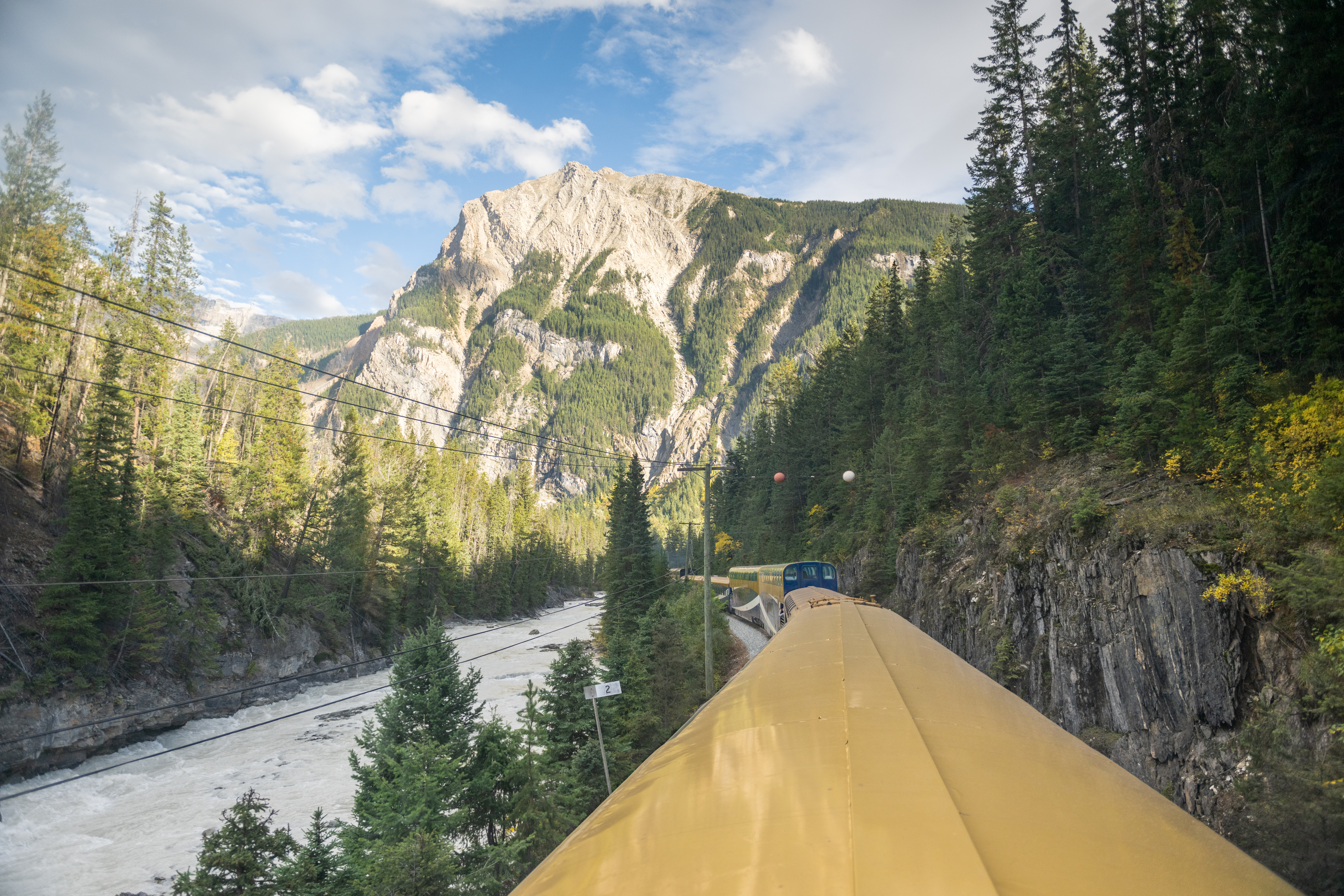
The train packages that include Lake Louise with Rocky Mountaineer are the packages that feature the First Passage to the West route, which offers GoldLeaf Service and SilverLeaf service. The packages provide luxurious and scenic rail journeys through the Canadian Rockies, highlighting Lake Louise and the surrounding areas. Travellers enjoy curated experiences tailored to comfort, sightseeing, and adventure through premium Train Packages.
Train Ticket Packages Overview
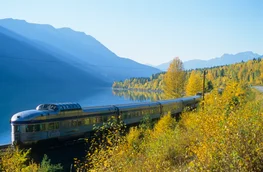
Rocky Mountaineer GoldLeaf Service: Offers bi-level glass-domed coaches, gourmet dining, and exclusive viewing platforms. The package includes hotel stays in select locations and priority boarding for enhanced convenience. Prices range from $4,000 CAD to $11,000 CAD, depending on season, trip duration, and additional inclusions like tours or transfers.
Rocky Mountaineer SilverLeaf Service: Features single-level dome coaches with panoramic windows and seat-side dining. The service provides scenic comfort at a slightly lower cost than GoldLeaf. Fares range from $2,800 CAD to $9,000 CAD per person, depending on season, trip duration, and additional inclusions like tours or transfers.
Customizable Packages: Flexible itineraries include hotel accommodations, hotels and transfers. Park entry fees are not included and must be purchased separately through Parks Canada.
Rocky Mountaineer GoldLeaf and SilverLeaf packages ensure travellers experience Lake Louise in comfort while enjoying unparalleled views of the Rockies, wildlife spotting, and a seamless travel itinerary.
[ Explore: Rocky Mountaineer Train Cost ]
Rocky Mountaineer Gold Leaf Service to Lake Louise
Rocky Mountaineer Gold Leaf Service to Lake Louise is priced from $3,200 CAD per person for a two-day journey through the Canadian Rockies. Gold Leaf Service represents the premier level of travel, where guests enjoy bi-level glass-domed coaches that provide uninterrupted views of mountains, lakes, and valleys. The service includes gourmet dining in a dedicated lower-level restaurant, reclining leather seats with extra legroom, and direct access to outdoor viewing platforms for photography and sightseeing through the Rocky Mountaineer GoldLeaf.
Gold Leaf Service Benefits/Advantages
Accommodations: Gold Leaf guests travel in custom bi-level glass-dome coaches with reclining leather seats and a full dining area on the lower level. Prices range from $3,200 CAD to $4,000 CAD per person for a two-day journey, depending on the season and package level.
Amenities: The service provides restaurant-style meals prepared by onboard chefs, complimentary drinks, and outdoor viewing platforms. Guests enjoy fresh three-course breakfasts, gourmet lunches, and premium wine or craft beer included in the fare.
Comfort: Wide seats, spacious legroom, and panoramic windows create a relaxing travel environment through the Rockies. Dedicated hosts manage luggage and offer personalized service, ensuring a stress-free journey.
Exclusivity: Gold Leaf Service offers private coach access with fewer passengers than SilverLeaf, providing a quieter, refined atmosphere. Reserved seating, exclusive dining, and luxury hotel stays at destinations (Lake Louise and Banff) are included in the package.
Gold Leaf Service Cost
The package excludes park entry fees, which must be purchased separately through Parks Canada. Gold Leaf Service combines scenic travel, first-class seating, and premium dining, starting at $3,200 CAD to $4,000 CAD, making it the most comfortable way to connect Vancouver, Lake Louise (Banff National Park), and the surrounding mountain attractions.
Rocky Mountaineer Silver Leaf Service to Lake Louise
Silver Leaf Service Description
The Rocky Mountaineer SilverLeaf Service to Lake Louise is priced from $2,300 CAD to $3,000 CAD for a two-day journey through the Canadian Rockies. Silver Leaf Service provides single-level dome coaches with panoramic windows that deliver expansive views of mountains, valleys, and lakes. The service includes seat-side dining, comfortable seating, and attentive onboard service, offering a refined travel experience at a slightly lower price than GoldLeaf Service through the Rocky Mountaineer SilverLeaf.
Silver Leaf Service Benefits/Advantages
Accommodations: Silver Leaf guests travel in single-level dome coaches with wide, comfortable seats designed for extended sightseeing. The package includes meal service in the coach, allowing travellers to enjoy gourmet cuisine without leaving their seats.
Amenities: Guests receive freshly prepared meals and complimentary beverages during the journey. Meals include breakfast and lunch courses, crafted with regional ingredients and seasonal flavours.
Comfort: Panoramic windows provide uninterrupted scenic views, while spacious seating and attentive hosts ensure a relaxed experience. Luggage handling is included, allowing travellers to enjoy the ride without extra effort.
Exclusivity: Silver Leaf Service is still considered a luxury offering, offering a quiet and comfortable atmosphere. The service offers premium accommodations at destinations such as Lake Louise and Banff, providing a high level of comfort despite being slightly less luxurious than Gold Leaf.
Silver Leaf Service Cost
The package excludes park entry fees, which must be purchased separately through Parks Canada. Silver Leaf Service provides scenic travel with comfort, quality dining, and panoramic views, starting at $2,300 CAD to $3,000 CAD, offering a cost-effective way to experience Lake Louise and the Canadian Rockies.
The Rocky Mountaineer SilverLeaf Service to Lake Louise is priced from $2,300 CAD to $3,000 CAD for a two-day journey through the Canadian Rockies. Silver Leaf Service provides single-level dome coaches with panoramic windows that deliver expansive views of mountains, valleys, and lakes. The service includes seat-side dining, comfortable seating, and attentive onboard service, offering a refined travel experience at a slightly lower price than GoldLeaf Service through the Rocky Mountaineer SilverLeaf.
How much do train tickets to Lake Louise cost?
Train tickets to Lake Louise on the Rocky Mountaineer vary depending on service level, itinerary, and season. Silver Leaf Service fares start at approximately $2,300 CAD per person for a two-day journey. Gold Leaf Service, offering bi-level glass-domed coaches, gourmet dining, and luxury accommodations, begins around $3,200 per person. Packages that include hotel stays, guided excursions, and transfers increase the total cost.
Pricing depends on distance travelled, service type, and included amenities such as meals, luggage handling, and priority seating. For example, a Silver Leaf ticket provides scenic comfort with seat-side dining at a lower price, while Gold Leaf tickets provide improved dining, outdoor viewing platforms, and exclusive coach access. Longer or multi-day itineraries covering additional destinations like Banff, Yoho, or Jasper add to the overall cost. Travellers booking during peak summer months must expect higher fares due to demand and seasonal surcharges.
Train ticket costs reflect the premium experience, service quality, and scenic exposure provided along the Rocky Mountaineer route, ensuring access to Lake Louise and the surrounding mountain attractions.
When should you book train tickets to Lake Louise?
Train tickets to Lake Louise should be booked between January and June for travel during the June to September peak season. Generally the earlier you book the better the prices. Summer months provide clear weather, fully accessible trails, and optimal views of Lake Louise’s turquoise waters. Booking in spring ensures access to Rocky Mountaineer GoldLeaf or SilverLeaf Service and connecting accommodations before high-demand periods.
Early reservations guarantee preferred departure times, seat selection, and flexibility for hotel and tour planning. Travellers opting for GoldLeaf or SilverLeaf Service must secure seats by April or May, as the premium services have limited availability and sell out quickly.
Travelling in the shoulder season from April to May offers fewer crowds and a more relaxed experience, but pre-booking is still recommended for confirmed schedules and pricing. Winter months from November to March reduce rail and shuttle operations, requiring careful planning in advance. Booking tickets ahead ensures a seamless, organized journey to Lake Louise and the surrounding Rockies attractions.
Are there group discounts for Lake Louise train packages?
Yes, group discounts are available for train packages that include Lake Louise. Rocky Mountaineer and Canadian Rockies Trains provide reduced fares for groups of ten or more passengers booking together. The arrangement offers lower ticket prices, assistance from a group coordinator, and flexible seating, allowing travellers to stay close to one another during the journey.
Eligibility requires the group to book under a single reservation with a confirmed number of travellers. For example, families, corporate teams, or travel clubs organizing a shared rail trip through the Canadian Rockies qualify for discounted rates. Detailed information about group packages, booking policies, and service levels is available through Rocky Mountaineer Group Travel Services, with partner tour operators offering connections to Banff and Lake Louise.
What are the top Things to do in Lake Louise?
The Top Things to Do in Lake Louise are listed below.
- Canoe on Lake Louise: Canoeing on Lake Louise offers iconic views of turquoise waters reflecting the surrounding mountains. Rentals operate from late May to early October, depending on ice conditions. Early mornings provide the clearest reflections and fewer crowds, creating ideal photography opportunities that highlight the Things to Do in Lake Louise.
- Hike to Lake Agnes Tea House: The trail to Lake Agnes Tea House is a moderate hike, offering scenic lake and forest views. Hikers enjoy panoramic vistas, wildflowers, and mountain backdrops along the route. Summer and early autumn provide optimal conditions for safe and enjoyable hiking.
- Explore Larch Valley and Sentinel Pass: Larch Valley trails lead to Sentinel Pass, offering breathtaking views of the surrounding peaks. The route passes through golden larch trees in September and alpine meadows with wildflowers. Hiking is best from July through September, when snow has melted from higher elevations.
- Walk the Lakeshore Trail: The Lakeshore Trail around Lake Louise provides a gentle and accessible route for all skill levels. The path showcases the lake’s vibrant colour and offers numerous photo spots. Spring to early autumn provides the most comfortable walking conditions.
- Try Winter Activities: Lake Louise transforms in winter into a venue for ice skating, snowshoeing, and cross-country skiing. Frozen lake surfaces and surrounding snowy trails provide unique seasonal experiences. Late November through March offers reliable snow coverage.
- Photograph Sunrise and Sunset: Sunrise and sunset offer the most dramatic lighting for photography around Lake Louise. Early mornings and evenings illuminate the peaks and the lake with vivid colours. Late June through August provides long daylight hours and favourable weather.
What fun Activities can you do at Lake Louise?
he fun activities you can do at Lake Louise are listed below.
- Canoeing on Lake Louise: Canoeing provides a serene experience on turquoise waters surrounded by mountain peaks. Summer months from late May to early October offer calm waters and clear reflections. Early mornings give the best lighting and fewer crowds for photography.
- Hiking and Nature Trails: Trails such as Lake Agnes Tea House, Larch Valley, and Sentinel Pass offer scenic hiking experiences. Summer and early autumn are ideal for hiking, with snow-free trails and vibrant wildflowers. Late September allows viewing of golden larch trees for a spectacular seasonal highlight.
- Ice Skating: Ice skating on the frozen lake transforms Lake Louise into a winter playground. Reliable ice forms from December through February, creating a safe surface for skating. Clear, sunny winter days provide the most enjoyable conditions.
- Snowshoeing and Cross-Country Skiing: Winter months allow exploration of surrounding trails with snowshoes or skis. Late November to March provides the most consistent snow coverage. Popular trails include the Lakeshore Trail and adjacent forested paths.
- Photography at Sunrise and Sunset: The lake’s vibrant colours are highlighted during sunrise and sunset. Summer offers long daylight hours for photography, while winter delivers dramatic icy landscapes. Early morning light in June to August ensures the clearest reflections.
- Wildlife Viewing: Visitors observe animals such as deer, elk, and birds along the lake trails. Summer provides the most active wildlife sightings. Dawn and dusk are optimal times for spotting creatures safely, making wildlife watching one of the most rewarding things to do in Lake Louise.
How long should you spend at Lake Louise on a trip?
You should spend one to two full days at Lake Louise to experience the area comprehensively. A single day allows exploration of the lake shoreline, a canoe ride, and a short hike to the Lake Agnes Tea House or the Fairview Lookout. Spending two days enables longer hikes, such as Larch Valley or Sentinel Pass, early morning photography sessions at sunrise, and winter activities (ice skating or snowshoeing) if visiting during the colder months. Adequate time ensures travellers enjoy active adventures and scenic relaxation without feeling rushed, while accounting for seasonal limitations such as snow-covered trails or shuttle access restrictions. Planning a two-day visit maximizes opportunities to witness Lake Louise’s iconic turquoise waters under varying light conditions, explore surrounding trails, and partake in seasonal recreational activities, making the experience thorough and memorable.
Can you rent canoes at Lake Louise?
Yes, you can rent canoes at Lake Louise. Canoe rentals operate during summer, from late May to early October, when the lake is free of ice and weather conditions are safe. Rentals allow guests to explore the turquoise waters, enjoy reflections of the surrounding mountains, and access areas not reachable by shore. Canoes are available from lakeside rental facilities, with options for hourly use, and paddlers must follow safety guidelines, wear life jackets, and check weather conditions before venturing onto the water.
Is there a good spot for wildlife viewing in Lake Louise?
Yes, there is a good spot to see wildlife near Lake Louise. The meadows and forested slopes surrounding Lake Louise and along the Bow River host frequent sightings of elk, deer, and bighorn sheep. Trails toward Larch Valley and Sentinel Pass provide opportunities to encounter marmots, pikas, and mountain goats. Early mornings and late evenings along quieter roads increase the chance of spotting black bears foraging near berry patches. Birdwatchers benefit from the lakeshore and wetland areas, where ospreys, loons, and bald eagles appear regularly. Each of the areas allows visitors to observe wildlife naturally, making Lake Louise a prime destination for experiencing animals in their natural environment.
When is the best time to visit Lake Louise?
The best time to visit Lake Louise is during the summer months, from July to early September, when the weather is warm, the trails are open, and the alpine scenery is at its most vibrant. The period allows clear access to landmarks such as Lake Agnes, Moraine Lake, and the Plain of Six Glaciers, while longer daylight hours provide ample opportunities for hiking, canoeing, wildlife viewing, and photography. Summer days are ideal for exploring high-elevation areas without snow, offering the broadest range of outdoor activities for visitors.
A visit in early autumn, from late September to early October, offers quieter trails, cooler temperatures, and colourful larch trees that frame the mountainsides. Early autumn provides a calm and peaceful atmosphere for travellers seeking solitude and reflective exploration. Winter months from November to March transform the area into a snow-covered landscape suitable for ice skating on Lake Louise, snowshoeing, cross-country skiing, and enjoying crisp mountain air. Each season presents distinctive experiences that define the Best Time to Visit Lake Louise.
What are the best months to visit Lake Louise?
The best months to visit Lake Louise are from July to September, when the weather is warmer, trails are clear of snow, and access to scenic landmarks (Lake Agnes, Moraine Lake, and the Plain of Six Glaciers) is fully open. Travellers benefit from longer daylight hours, vibrant wildflowers, and well-maintained trail conditions that allow easy movement between viewpoints. July and August offer the most reliable trail access with snow-free paths into alpine areas, making them ideal for hikers and outdoor enthusiasts.
Visitors seeking fewer crowds and a more relaxed experience often prefer September for its mild temperatures and colourful larch trees. Early autumn increases the chances of wildlife sightings, offering rewarding opportunities for photographers and nature lovers. Winter months from December to March provide a completely different setting, with snow-covered peaks, frozen lakes, and activities like ice skating, snowshoeing, and cross-country skiing. The best months to visit Lake Louise ultimately depend on preferred activities, with June to September offering full exploration and late fall through winter highlighting tranquil, snowy landscapes.
What is the best season to visit Lake Louise?
The best season to visit Lake Louise is summer, from June to September, when the weather is warm, the trails are clear of snow, and the alpine scenery is at its most vibrant. Visitors have full access to iconic landmarks, including Lake Agnes, Moraine Lake, and the Plain of Six Glaciers, with extended daylight hours that provide ideal conditions for hiking, photography, and wildlife viewing. Summer offers the broadest range of outdoor activities, including canoeing, trail exploration, and guided tours.
Early autumn, from late September to early October, provides a quieter experience with cooler temperatures and colourful larch trees framing the mountainsides. Wildlife sightings increase during the period, giving photographers and nature enthusiasts rewarding encounters. Winter offers an entirely different experience, with snow-covered landscapes, frozen lakes, and opportunities for snowshoeing, cross-country skiing, and ice skating. Summer is ideal for full access and active exploration, while autumn and winter appeal to those seeking scenic tranquility and seasonal activities.
What to do in Lake Louise during Summer?
The best season to visit Lake Louise is summer, from June to September, when the weather is warm, the trails are clear of snow, and the alpine scenery is at its most vibrant. Visitors have full access to iconic landmarks, including Lake Agnes, Moraine Lake, and the Plain of Six Glaciers, with extended daylight hours that provide ideal conditions for hiking, photography, and wildlife viewing. Summer offers the broadest range of outdoor activities, including canoeing, trail exploration, and guided tours.
Early autumn, from late September to early October, provides a quieter experience with cooler temperatures and colourful larch trees framing the mountainsides. Wildlife sightings increase during the period, giving photographers and nature enthusiasts rewarding encounters. Winter offers an entirely different experience, with snow-covered landscapes, frozen lakes, and opportunities for snowshoeing, cross-country skiing, and ice skating. Summer is ideal for full access and active exploration, while autumn and winter appeal to those seeking scenic tranquility and seasonal activities.
Is Lake Louise worth visiting in Winter?
Yes, Lake Louise is worth visiting in winter. The frozen lake transforms into a pristine ice-covered landscape, offering stunning winter scenery framed by snow-capped peaks. Winter activities (ice skating on the lake, skiing at the nearby Lake Louise Ski Resort, snowshoeing, and guided backcountry tours) provide diverse ways to experience the area. The quieter season means fewer crowds, giving visitors a serene environment for photography and wildlife spotting, including sightings of elk or foxes adapted to the colder months. Winter at Lake Louise highlights the region’s dramatic alpine beauty, making it a worthwhile destination for Travellers who enjoy snow sports, peaceful landscapes, and seasonal adventure.
Where to stay in Lake Louise?
The places to stay in Lake Louise are listed below.
- Fairmont Chateau Lake Louise: Fairmont Chateau Lake Louise is one of the most iconic Hotels Near Lake Louise, located directly on the shores of the glacier-fed lake. Guests enjoy elegantly appointed rooms with mountain or lake views, fine dining options, and on-site recreational activities. The lakeside location provides direct access to hiking trails, canoe rentals, and winter sports, making it ideal for a full seasonal experience.
- Deer Lodge: Deer Lodge offers a heritage-style retreat with cozy rooms and rustic charm. The rooftop hot tub overlooks Victoria Glacier, providing a scenic relaxation spot. Meals are served in a historic dining room featuring regional cuisine, and the lodge is conveniently positioned for exploring nearby trails and attractions.
- Mountaineer Lodge: Mountaineer Lodge provides comfortable and casual accommodations in Lake Louise Village. Rooms are spacious with modern amenities and include breakfast. Its central location allows easy walking access to local shops, services, and trailheads leading into the surrounding mountains.
- HI Lake Louise Hostel: HI Lake Louise Hostel is a budget-friendly option suitable for solo travellers or groups. Dormitory-style and private rooms are available, along with a shared kitchen and common areas. The hostel’s proximity to the lake and village makes it convenient for accessing hiking trails, shuttle services, and winter sports.
- Baker Creek Mountain Resort: Baker Creek Mountain Resort offers cabins and suites nestled in a forested area near Lake Louise. Each unit provides a private setting with rustic décor and scenic mountain views. Guests enjoy the tranquility of the surroundings while still being a short drive from the lake and village amenities.
- Mount Edith Hotel: Mount Edith Hotel is a mid-range hotel located in Lake Louise Village. Rooms feature modern furnishings and comfort-focused amenities. Its position makes it a practical base for day trips to Lake Louise, Moraine Lake, and nearby Banff National Park attractions.
- Lake Louise Inn: Lake Louise Inn provides a convenient and affordable option for families and groups. Guest rooms include full amenities, and the property offers a restaurant, fitness area, and indoor pool. Its location in the village ensures easy access to shuttle services, shops, and local dining.
- Sunwapta Falls Lodge: Sunwapta Falls Lodge offers cabins and suites in a tranquil setting near the village. Accommodations include cozy rooms with mountain views and self-catering options. Its location provides easy access to outdoor activities and quiet relaxation away from the main tourist areas.
- Buffalo Mountain Lodge: Buffalo Mountain Lodge provides mid-range cabin accommodations in Banff close to Lake Louise. Rooms are well-equipped, and cabins feature rustic charm with mountain views. The lodge is ideal for visitors looking for comfort while maintaining proximity to hiking trails and natural landmarks.
What Hotels and Lodges are Available at Lake Louise?
The hotels and lodges available at Lake Louise offer a variety of accommodations for different preferences and budgets. Fairmont Chateau Lake Louise stands on the lake’s edge, offering panoramic views of Victoria Glacier, along with luxury rooms, fine dining, recreational activities, and a thermal spa. Mountaineer Lodge in Lake Louise Village provides comfortable rooms, modern amenities, and breakfast, serving as a convenient base for nearby trails and attractions. Baker Creek Mountain Resort, along the Bow Valley Parkway, provides rustic lodge rooms and cabins with easy access to hiking, wildlife viewing, and natural surroundings. Paradise Lodge and Bungalows feature cozy log cabins in forested areas near the lake, combining quiet retreat with trail access. Each hotel and lodge offers distinct experiences in location, amenities, and accommodations, enabling travellers to select options that align with comfort, convenience, and alpine scenery at Lake Louise.
Do you need a park pass to Visit Lake Louise?
Yes, you need a park pass to visit Lake Louise because it lies within Banff National Park, a protected area managed by Parks Canada. Every visitor entering the park by vehicle must purchase a valid Parks Canada entry pass, which supports trail maintenance, wildlife conservation, and upkeep of visitor facilities. Passes are checked at entry points or parking areas and must be displayed on the vehicle dashboard during the visit.
The cost of a daily park pass starts at around $11 CAD per adult, with discounted rates for seniors and free entry for children aged 17 and under. Travellers staying multiple days or visiting several national parks in the Canadian Rockies benefit from the Parks Canada Discovery Pass, priced at approximately $72 CAD adult for unlimited annual access. The pass system ensures that fees directly contribute to the protection and sustainability of Lake Louise and the surrounding environment.
Where can you go camping near Lake Louise?
You can go camping near Lake Louise at several established sites within Banff National Park, including Lake Louise Campground, Mosquito Creek Campground, and Backcountry sites along the Iceline Trail and the Plain of Six Glaciers. Lake Louise Campground offers tent and RV sites with potable water, picnic tables, and proximity to trailheads (Lake Agnes and the Plain of Six Glaciers). Mosquito Creek Campground provides a quieter, forested setting with tent-only sites, fire pits, and access to nearby alpine trails.
Backcountry camping is permitted with a Parks Canada permit in designated zones surrounding Lake Louise, allowing experienced hikers to explore alpine lakes, valleys, and mountain passes. Reservations for frontcountry campgrounds are strongly recommended during peak summer months from June to September due to high demand. Campers must follow park regulations, including wildlife safety measures, proper waste disposal, and fire restrictions, ensuring environmental protection and visitor safety.
.jpg?auto=webp&format=webp&width=150&max_age=31536000)


Useful Links
Train Trip FinderRocky Mountaineer Train ToursRocky Mountaineer Train PriceRocky Mountaineer Train RoutesRocky Mountaineer 2026 ScheduleFirst Passage to the West Journey Through the Clouds RouteRainforest to Goldrush RoutePassage to the Peaks RouteTravel Guides
Canadian Rockies Travel GuideBanff National Park Travel GuideJasper National Park Travel GuideLake Louise Travel GuideCalgary Travel GuidePopular Train Trips
Jasper and Banff Extended GetawayVancouver and Banff Extended Getaway Circle the Rockies Extended GetawayVancouver and Lake Louise Extended GetawayRockies Sleeper-Train Extended GetawayRockies Train Extended Getaway with Self-DriveCanadian Rockies Trains
About Us© 2026 Fresh Tracks Canada